
 By
By 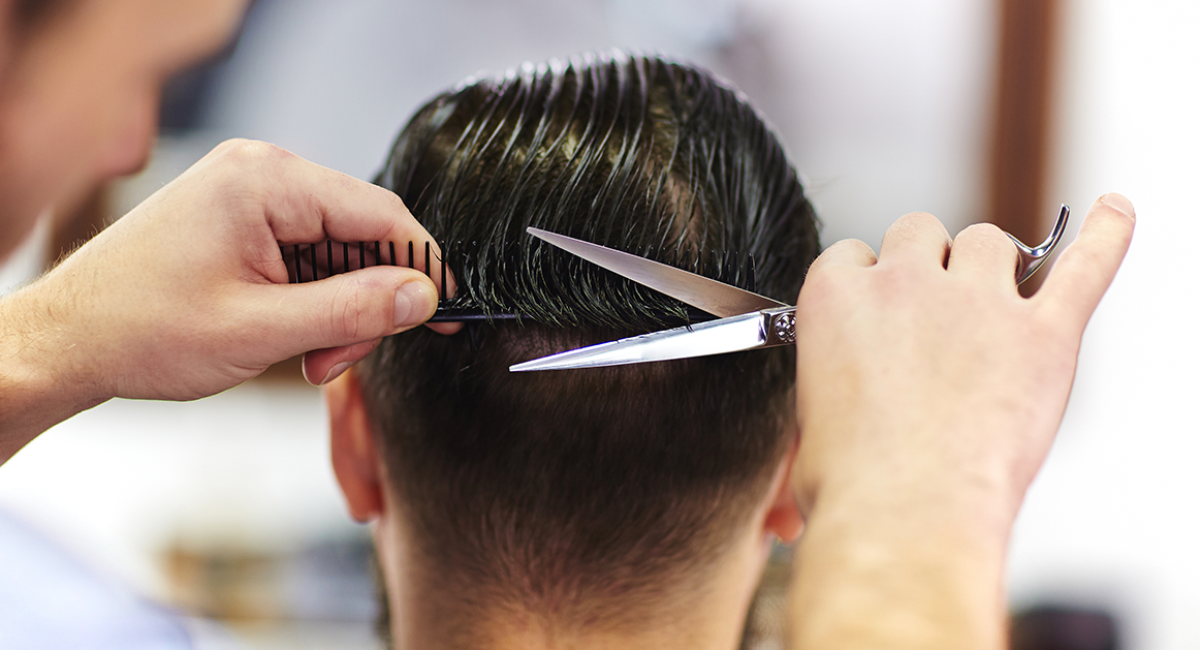
Cutting Nails and Hair for Those Performing Qurban: Is It Permissible?
The month of Dzulhijjah is approaching, and various hadiths regarding the prohibition of cutting nails and hair for those performing Qurban are circulating on social media. Some have even issued stern warnings. What is the actual legal standing of this matter? Is it true that a person performing Qurban is not allowed to cut their nails and hair once they have the intention to sacrifice?
The prohibition in question refers to the hadith from Ummu Salamah:
مَنْ كَانَ لَهُ ذِبْحٌ يَذْبَحُهُ فَإِذَا أُهِلَّ هِلَالُ ذِي الْحِجَّةِ، فَلَا يَأْخُذَنَّ مِنْ شَعْرِهِ وَلَا مِنْ أَظْفَارِهِ شَيْئًا حَتَّى يُضَحِّيَا
“Whoever has a sacrificial animal to slaughter, and the crescent moon (hilal) of Dzulhijjah has been sighted, let him not cut any of his hair or his nails until he has sacrificed.” (HR. Muslim: 1977)
Scholars have different views in responding to the prohibition in this hadith:
First: The opinion that the prohibition means it is Haram (Forbidden).
Therefore, the person performing Qurban sins if they cut their nails or hair, [1] although the prohibition does not affect the validity of the Qurban itself. In other words, the Qurban remains valid even if one violates the prohibition in the hadith, and they must seek forgiveness (istighfar).
This is the opinion of the majority of the Hanbali school, the Dhahiriyah, Ishaq bin Rahuyah, as well as one of the opinions within the Shafi'i school. [2] These scholars base their evidence on the hadith of Ummu Salamah mentioned above, supplemented by the narration (atsar) from Ibn Umar:
مَنْ أَرَادَ الْحَجَّ فَلَا يَأْخُذْ مِنْ شَعْرِهِ شَيْئًا
“Whoever intends to perform Hajj (and slaughter a sacrificial animal) [3], let him not take anything from his hair.” (HR. Ibn Abi Shaybah in his Mushannaf: 14773)
Abun Naja Al-Hijawi Al-Hanbali stated: “And it is forbidden for the person performing Qurban to cut their hair and nails, even a little, during the first 10 days of Dzulhijjah.” [4]
Al-Mardawi Al-Hanbali stated:
أَحَدُهُمَا: هُوَ حَرَامٌ. وَهُوَ الْمَذْهَبُ. وَهُوَ ظَاهِرُ رِوَايَةِ الْأَثْرَمِ وَغَيْرِهِ
“First, it (cutting hair and nails) is haram, and this is the school's position (Hanbali). This is the literal implication of the narration of Atsram and others...” [5]
Ibnu Hazm Ad-Dhahiri stated:
وَمَنْ أَرَادَ أَنْ يُضَحِّيَ فَفَرْضٌ عَلَيْهِ إذَا أَهَلَّ هِلَالُ ذِي الْحِجَّةِ أَنْ لَا يَأْخُذَ مِنْ شَعْرِهِ وَلَا مِنْ أَظْفَارِهِ شَيْئًا حَتَّى يُضَحِّيَ، لَا بِحَلْقٍ، وَلَا بِقَصٍّ وَلَا بِنُورَةٍ وَلَا بِغَيْرِ ذَلِكَ
“Whoever intends to perform Qurban, it is obligatory upon them when the hilal of Dzulhijjah appears not to take anything from their hair or nails until they perform the slaughter...” [6]
The Reasoning: The origin of a prohibition is that it is haram, unless there is evidence or an indication that shifts it to another ruling. The prohibition from the Prophet is very firm; thus, it must be returned to its original ruling, which is haram. Furthermore, Said bin Al-Musayyab—the narrator of the hadith from Ummu Salamah—emphasized that this was a sunnah that had been neglected.
Second: The opinion that the prohibition means it is Makruh (Disliked).
This means it does not reach the stage of being haram. This is the official (muktamad) opinion of the Shafi'i school, the majority of the Maliki school, and one of the opinions in the Hanbali school. [7] These scholars reconcile the hadith of prohibition above with the hadith of Aisha:
كُنْتُ أَفْتِلُ قَلاَئِدَ هَدْيِ رَسُولِ اللَّهِ صَلَّى اللهُ عَلَيْهِ وَسَلَّمَ، فَيَبْعَثُ هَدْيَهُ إِلَى الكَعْبَةِ، فَمَا يَحْرُمُ عَلَيْهِ مِمَّا حَلَّ لِلرِّجَالِ مِنْ أَهْلِهِ، حَتَّى يرجِعَ النَّاسُ
“I used to braid the garlands for the sacrificial animals (hadyu) of the Messenger of Allah ﷺ, then he would send the animals to the Kaaba (to be slaughtered). Nothing that is permissible for a man regarding his family was forbidden to him until the people returned.” [8]
The Reasoning: In this hadith, Aisha mentions that there was no prohibition at all. Hadyu and Qurban are ruled the same. Since the hadith of Ummu Salamah mentions a prohibition while the hadith of Aisha negates it, these scholars compromise between the two and state that the prohibition in the hadith of Ummu Salamah means makruh, not haram.
An-Nawawi from the Shafi'i school stated:
فَقَالَ أَصْحَابُنَا مَنْ أَرَادَ التَّضْحِيَةَ فَدَخَلَ عَلَيْهِ عَشْرُ ذِي الْحِجَّةِ كُرِهَ أَنْ يُقَلِّمَ شَيْئًا مِنْ أَظْفَارِهِ وَأَنْ يَحْلِقَ شَيْئًا مِنْ شَعْرِ رَأْسِهِ... هَذَا هُوَ الْمَذْهَبُ أَنَّهُ مَكْرُوهٌ كَرَاهَةَ تَنْزِيه
“Our companions (Shafi'iyah) say that whoever intends to sacrifice and the ten days of Dzulhijjah begin, it is disliked for him to trim his nails or shave any part of the hair on his head, face, or body until he sacrifices... This is the school's position, that it is disliked with a dislike of 'tanzih' (not reaching haram).” [9]
Third: There is no prohibition at all.
It is permissible to cut nails, hair, and any body hair for the person performing Qurban. This is the official opinion of the Hanafi school, one of the opinions of Imam Malik, and was favored by Layth bin Sa’ad. [14] These scholars argue that the hadith of Aisha is stronger and its authenticity is agreed upon, while the hadith of Ummu Salamah contains weaknesses or is disputed in its application.
Al-Qudury from the Hanafi school stated:
قَالَ أَصْحَابُنَا: إِذَا دَخَلَ الْعَشْرُ وَأَرَادَ الْإِنْسَانُ أَنْ يُضَحِّيَ ... لَمْ يَلْزَمْهُ أَنْ يَجْتَنِبَ حَلْقَ الشَّعْرِ وَقَصَّ الْأَظْفَارِ
“Our companions (Hanafiyah) stated: 'When the ten days begin and a person intends to sacrifice... it is not necessary for him to avoid shaving hair or cutting nails.'” [15]
Ibnu Abdil Barr from the Maliki school stated:
وَمَذْهَبُ مَالِكٍ أَنَّهُ لَا بَأْسَ بِحَلْقِ الرَّأْسِ وَتَقْلِيمِ الْأَظْفَارِ وَقَصِّ الشَّارِبِ فِي عَشْرِ ذِي الْحِجَّةِ
“...And according to the school of Malik, there is no harm in shaving the head, cutting the nails, and trimming the mustache during the ten days of Dzulhijjah...” [18]
Conclusion
The safest and most secure action in this matter is to avoid cutting hair, nails, and body hair for the person performing Qurban to avoid the scholarly disagreement. By avoiding it, one does not contradict the third opinion at all, while violating it would contradict the first and second opinions. Nevertheless, we should not criticize those who choose to cut their hair and nails when they intend to sacrifice. Wallahu a’lam bish-shawab.
Sumber Referensi:-
Including other body hair such as the mustache, armpit hair, pubic hair, and others.
-
See the Hanbali school in Al-Inshaf 4/109 and Al-Mughni 9/436-437. The Dhahiriyah in Al-Muhalla 6/3. Ishaq’s opinion is mentioned by At-Tirmidhi in his Sunan 3/154. As for the Shafi'i school, An-Nawawi said in Al-Majmu’ 8/391: “This opinion was narrated by Abul Hasan Al-Abbadi…” However, this is a weak opinion within the Shafi'i school.
-
Occasionally, the slaughter of the sacrificial animal is referred to by the term "Hajj" by the companions because the time for Qurban follows the time of Hajj, and the sacrificial slaughter is part of the peak rituals of the Hajj pilgrimage.
-
Zad Al-Mustaqni’ 1/96
-
Al-Inshaf 4/109
-
Al-Muhalla 6/3
-
See the Shafi'i school in Al-Majmu’ Syarh Al-Muhaddzab 8/391 and As-Syarh Al-Kabir 12/90. The Maliki school in Al-Qawanin Al-Fiqhiyyah I/128 and Mukhtashar Al-Khalil p. 81. The Hanbali school by Abu Al-Khaththab Al-Hanbali in Al-Hidayah ‘ala Madzhab Al-Imam Ahmad 1/206 and Abu Al-Barakat Ibnu Taimiyah in Al-Muharrar fi Al-Fiqh p. 251.
-
HR. Al-Bukhari: 5566 and Muslim: 1321
-
Al-Majmu’ 8/391
-
Al-Muharrar p. 466
-
Al-Muharrar fi Al-Fiqh p. 251
-
Adz-Dzakhirah 4/141
-
At-Taj wa Al-Iklil 4/372
-
The Hanafi school in At-Tajrid 12/6344, Syarh Ma’ani Al-Atsar 4/182. The Maliki school and the opinion of al-Layth in At-Tamhid 17/235.
-
At-Tajrid 12/6344.
-
Narrated as mauquf (attributed to a companion) by Ibnu Abi Shaybah in Al-Mushannaf: 14478
-
Syarhu Ma’anil Atsar 4/182
-
At-Tamhid li Ma fi Al-Muwaththa 17/235

 ?>)
 ?>)