
 By
By 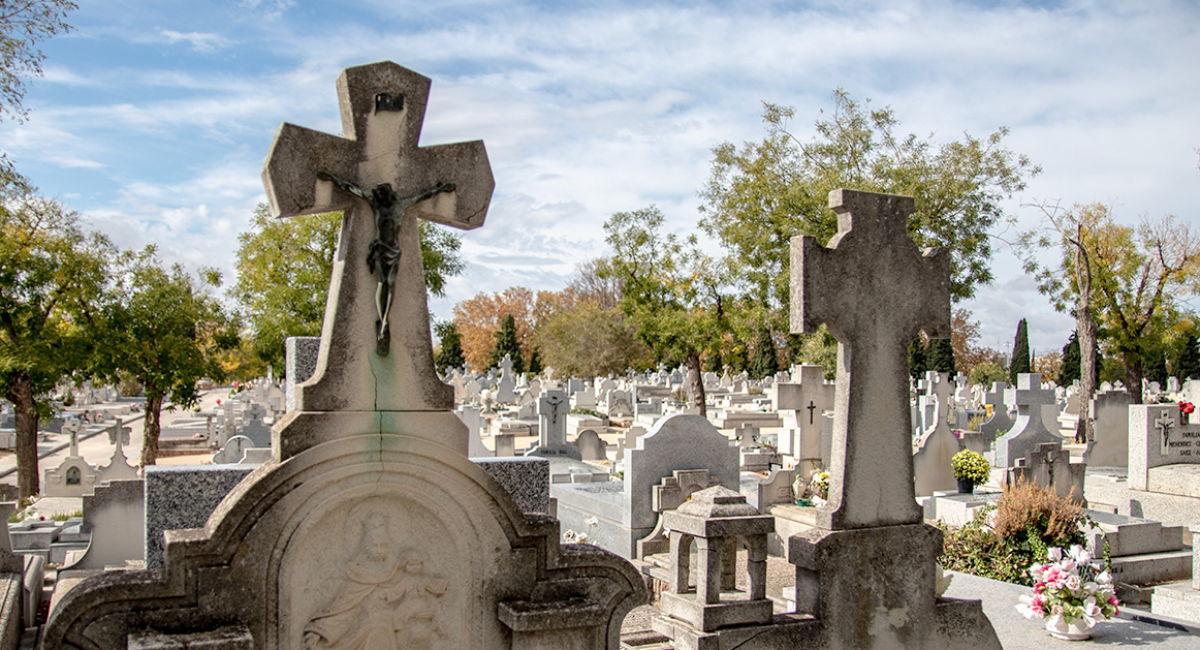
Question: What is the ruling on visiting the graves of non-believers?
Answer:
There is a nash (textual evidence) or an action of the Prophet ﷺ related to this. This action of the Prophet ﷺ serves as the basis for scholars in establishing the ruling on this matter.
The companion Abu Hurairah said:
زَارَ النَّبِيُّ صَلَّى اللهُ عَلَيْهِ وَسَلَّمَ قَبْرَ أُمِّهِ فَبَكَى وَأَبْكَى مَنْ حَوْلَهُ، فَقَالَ: "اسْتَأْذَنْتُ رَبِّي فِي أَنْ أَسْتَغْفِرَ لَهَا فَلَمْ يُؤْذَنْ لِي، وَاسْتَأْذَنْتُهُ فِي أَنْ أَزُورَ قَبْرَهَا فَأُذِنَ لِي، فَزُورُوا الْقُبُورَ فَإِنَّهَا تُذَكِّرُ الْمَوْتَ"
"The Prophet ﷺ once visited his mother's grave. He wept and made those around him weep. The Prophet said, 'I asked my Lord for permission to seek forgiveness for my mother, but it was not granted to me. I asked Him for permission to visit her grave, and it was granted to me. So visit the graves, for they remind you of death.'" (Narrated by Muslim: 976)
Imam Al-Mudzhiri from the Hanafi school said regarding this hadith:
هَذَا تَعْلِيمٌ لِأُمَّتِهِ فِي قَضَاءِ حُقُوقِ الْآبَاءِ وَالْأُمَّهَاتِ وَالْأَقَارِبِ وَالْأَصْدِقَاءِ؛ [أي:] مَعَ أَنَّ أُمِّي كَافِرَةٌ لَمْ أَتْرُكْ قَضَاءَ حَقِّهَا مِنَ الزِّيَارَةِ
"This is a teaching for his ummah in fulfilling the rights of fathers, mothers, relatives, and friends (who have passed away); meaning: even though my mother was a non-believer, I did not neglect fulfilling her right to be visited." (Al-Mafatih fi Syarh Al-Mashabih, 2/467)
Qadhi ‘Iyadh from the Maliki school explained this hadith:
اِسْتِئْذَانُهُ - عَلَيْهِ السَّلَامُ - فِي زِيَارَةِ قَبْرِ أُمِّهِ وَالْإِذْنِ فِى ذَلِكَ دَلِيلٌ عَلَى جَوَازِ زِيَارَةِ الْقُبُورِ، وَصِلَةِ الْآبَاءِ الْمُشْرِكِينَ، وَإِذَا كَانَ هَذَا بَعْدَ الْمَوْتِ فَفِى الْحَيَاةِ أَحَقُّ
"His (the Prophet's) request for permission to visit his mother's grave and the permission granted to him serve as evidence for the permissibility of visiting graves and maintaining shilah (good ties) with polytheistic parents (1). If this is the case after death, then (maintaining good ties) during their lifetime is even more deserving." (Ikmal Al-Mu’lim bi Fawaid Muslim, 3/452)
The explanations from these two scholars indicate the permissibility of visiting the graves of non-believers or polytheists. This is especially true if they still have a familial relationship or have provided service to the person (such as friends). This is, of course, on the condition that one must not seek forgiveness or mercy for them. This is based on the words of Allah:
مَا كَانَ لِلنَّبِيِّ وَالَّذِينَ آمَنُوا أَنْ يَسْتَغْفِرُوا لِلْمُشْرِكِينَ وَلَوْ كَانُوا أُولِي قُرْبَى مِنْ بَعْدِ مَا تَبَيَّنَ لَهُمْ أَنَّهُمْ أَصْحَابُ الْجَحِيمِ
"It is not for the Prophet and those who have believed to ask forgiveness for the polytheists, even if they were relatives, after it has become clear to them that they are companions of Hellfire." (QS. At-Tawbah: 113).
The implementation of the above verse was carried out by Abu Hurairah. The companion Abu Hurairah said:
رَحِمَ اللهُ رَجُلاً اسْتَغْفَرَ لِأَبِي هُرَيرَةَ وَلِأُمِّهِ، قُلْتُ: "وَلِأَبِيهِ؟" قَالَ: "لَا، إِنَّ أَبِي مَاتَ وَهُوَ مُشْرِكٌ"
"May Allah have mercy on the man who seeks forgiveness for Abu Hurairah and his mother." I (the narrator) asked, "And for his father too?" He (Abu Hurairah) replied, "No, because his father died as a polytheist." (Reported by Ath-Thabari in Jami’ Al-Bayan: 17339 from Zamil bin Aus At-Thai).
Furthermore, it is not permissible to offer greetings (salam) when entering the graves of polytheists or non-believers when visiting them or entering their cemeteries. This differs from entering a Muslim cemetery. This is based on the words of the Prophet ﷺ:
لَا تَبْدَءُوا الْيَهُودَ وَلَا النَّصَارَى بِالسَّلَامِ
"Do not initiate the greeting of salam to the Jews or the Christians!" (Narrated by Muslim: 2167 from Abu Hurairah)
Imam Al-Buhuti from the Hanbali school said:
(وَتُبَاحُ) زِيَارَةُ مُسْلِمٍ (لِقَبْرِ كَافِرٍ) وَوُقُوفٌ عِنْدَهُ لِزِيَارَتِهِ صَلَّى اللَّهُ عَلَيْهِ وَسَلَّمَ لِقَبْرِ أُمِّهِ... وَلَا يُسَلِّمُ عَلَيْهِ وَلَا يَدْعُو لَهُ
"And (it is permissible) for a Muslim to visit (the grave of a non-believer) and stand by their grave, based on the Prophet's action of visiting his mother's grave, which occurred after the Conquest of Makkah. However, he must not offer salam to them nor pray for them." (Daqaiq Uli An-Nuha, 1/383) (2)
Imam An-Nawawi from the Shafi'i school said:
الصَّلَاةُ عَلَى الْكَافِرِ وَالدُّعَاءُ لَهُ بِالْمَغْفِرَةِ فَحَرَامٌ بِنَصِّ الْقُرْآنِ وَالْإِجْمَاعِ... وَأَمَّا زِيَارَةُ قَبْرِهِ (فَالصَّوَابُ) جَوَازُهَا وَبِهِ قَطَعَ الْأَ كْثَرُونَ
"(As for) praying over a non-believer and praying for their forgiveness (after death), it is haram based on the text of the Qur'an and consensus (ijma'). The author (As-Syirazi) mentioned this issue of prayer at the end of the chapter 'Prayer over the Deceased.' Ash-Shafi'i stated in Mukhtashar Al-Muzani, as did the Shafi'i companions, that it is permissible for a Muslim to follow the funeral procession of a non-believing relative. As for visiting their grave, (the correct view) is that it is permissible, and this is what the majority (of Shafi'is) have affirmed." (Al-Majmu’ Syarh Al-Muhaddzab, 5/144)
Conclusion
In conclusion, it is permissible to visit the graves of non-believers according to the majority of scholars (Hanafis, Hanbalis, the majority of Shafi'is, and some Malikis), especially if there is still a familial relationship. This is naturally on the condition that one must not pray for them, seek forgiveness or mercy (including using the term "almarhum/ah"), or offer salam to them. The visit is permitted only to remind one of death and as an act of kindness toward them—based on kinship or past favors. Nothing more. Wallahu a’lam.
Sumber Referensi:-
Nevertheless, there is no exclusive and official explanation found in various authoritative sources, neither in the Hanafi nor the Maliki school, regarding the ruling on visiting the graves of non-believers. However, if examined through an analogical approach, it appears that the Hanafis (Hanafiyah) permit it. This is evident from official Hanafi accounts allowing a Muslim to participate in washing and burying their non-believing relatives, as affirmed by An-Nasafi in Kanz Ad-Daqaiq p. 199, on the condition that their disbelief was not due to apostasy (murtad) and that no other non-believers are available to handle the process, as affirmed by Ibn Najim in Al-Bahr Ar-Raiq 2/205. If washing or burying them is permissible, then visiting them would certainly be permissible as well. As for the Malikis (Malikiyah), they seemingly forbid it. This is reflected in their prohibition against a Muslim washing or burying a non-believing relative—even if it is one's father—as affirmed by Khalil bin Ishaq in his Mukhtashar p. 52, and the funeral procession may not be followed, as affirmed by Imam Malik himself according to the narration of Ibn Al-Qasim from him in Al-Mudawwanah 1/261. If washing and accompanying the funeral is not allowed even when needed, then visiting the grave is even less likely to be permitted. Wallahu a’lam.
-
The permissibility of visiting the graves of non-believers is officially affirmed by two primary later Hanbali scholars (muta'akhkhirin), namely Al-Hijawi in Al-Iqna’ 1/237 and Ibn An-Najjar in Muntaha Al-Iradat 1/432.
-
Some Shafi'is (Syafiiyah) forbid Muslims from visiting the graves of non-believers, such as the opinion of Al-Mawardi in Al-Hawi Al-Kabir 3/19. However, An-Nawawi refers to this opinion as an error in Al-Majmu’ 5/144.
 ?>)
 ?>)