 By
By 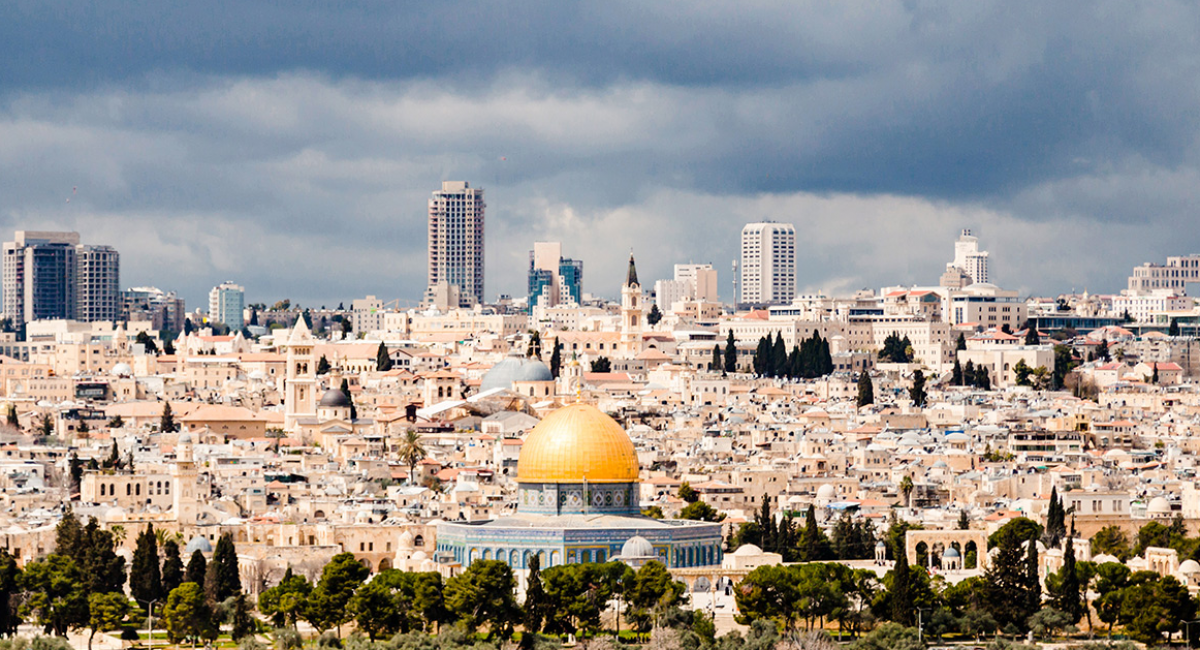
Allah’s Oath Regarding "Palestine" & The Land of Sham
Who is not familiar with Surah At-Tin?! It is one of the surahs found in Juz ‘Amma (Juz 30) and belongs to the al-mufasshal category (short surahs). Even many kindergarten and elementary school children have memorized this surah. How unique it is that Allah placed this surah in the lineup of surahs that are easily and frequently memorized by Muslim children, and even more so by adults. It seems to imply that Muslims, from a young age, are taught by the Quran about the contents of this surah regarding the nobility of the holy land and what lies within it. Allah swears:
وَالتِّينِ وَالزَّيْتُونِ (1) وَطُورِ سِينِينَ (2) وَهَذَا الْبَلَدِ الْأَمِينِ (3)
“By the fig and the olive. And [by] Mount Sinai. And [by] this secure city [Makkah].” (At-Tin: 1-3)
Imams from among the salaf (early generations) such as Qatadah, Ibn Zaid, Ka’ab bin Al-Ahbar, and Ikrimah interpreted: “At-Tin refers to a mosque in Damascus, and Az-Zaitun refers to Baitul Maqdis (Al-Aqsa Mosque) (1).” Imam Ibn Al-Jawzi cited 7 interpretations from the salaf, 5 of which interpret Az-Zaitun as Baitul Maqdis or Al-Aqsa Mosque (2). Imam At-Tsa’alabi, an Imam of the Algerian people, quoted the words of As-Suhaili:
أَقْسَمَ تَعَالَى بِطُورِ تِينَا وَطُورِ زَيْتَا وَهُمَا جَبَلَانِ عِنْدَ بَيتِ الْمَقْدِسِ وَكَذَلِكَ طُورُ سَيْنَاءَ
“Allah has sworn by Thur Tina and Thur Zayta, both of which are two mountains located in Baitul Maqdis. Likewise, Thur Sinai.” (Al-Jawahir Al-Hisan fi Tafsir Al-Quran, 5/606)
Imam Abu Al-Layth As-Samarqandi affirmed:
وَالتِّينِ وَالزَّيْتُونِ وَهُمَا مَسْجِدَانِ بِالشَّامِ
“'By the fig and the olive,' both are two mosques located in the land of Sham (The Levant).” (Bahr Al-‘Ulum, 3/595)
Imam Ibn Qutaibah Ad-Dainuri said:
(التِّينُ) وَ (الزَّيْتُونُ) جَبَلَانِ بِالشَّامِ يُقَالُ لَهُمَا "طُورُ تَيْنَا وَطُورُ زَيْتَا" بِالسُّرْيَانِيَّة، سُمِّيَا بِالتِّيْنِ وَالزَّيْتُونِ لِأَنَّهُمَا يُنبِتَانِهِمَا
“At-Tin and Az-Zaitun are two mountains in Sham which in the Syriac language are commonly called Thur Tina and Thur Zayta. The two mountains are called by those two names because both mountains grow those two plants.” (Gharib Al-Quran, 1/461)
Imam At-Thabari himself leaned toward this interpretation, although he did not agree with Ibn Qutaibah's specific commentary regarding Thur Tina and Thur Zayta, while mentioning the possibility that such an interpretation could be correct. Imam At-Thabari stated:
وَلَا يُعْرَفُ جَبَلٌ يُسَمَّى تِينَا وَلَا جَبَلٌ يُقَالُ لَهُ زَيْتُونُ، إِلَّا أَنْ يَقُولَ قَائِلٌ: أَقْسَمَ رَبُّنَا جَلَّ ثَنَاؤُهُ بِالتِّينِ وَالزَّيْتُونِ وَالْمُرَادُ مِنَ الْكَلَامِ الْقَسَمُ بِمَنَابِتِ التِّينِ وَمَنَابِتِ الزَّيْتُونِ فَيَكُونُ ذَلِكَ مَذْهَبًا... لِأَنَّ دِمَشْقَ بِهَا مَنَابِتُ التِّينِ وَبَيْتَ الْمَقْدِسِ مَنَابِتُ الزَّيْتُونِ
“No mountain is known by the name Tina nor is a mountain called Zaitun. However, if someone says that our Lord swore by the fig and the olive, the meaning of His words is to swear by the places where figs grow and the places where olives grow, then that could be a valid opinion... Because Damascus is the place where figs grow and Baitul Maqdis is the place where olives grow.” (3)
However, Sheikh Al-Qasimi actually defended Ibn Qutaibah and countered At-Thabari's criticism. Al-Qasimi said after quoting At-Thabari:
وَفِيهِ نَظَرٌ، لِأَنَّ مَنْ حَفِظَ حُجَّةٌ عَلَى مَنْ لَمْ يَحْفَظْ، كَيْفَ وَجَبَلُ الزَّيْتُونِ هُوَ مِنْ جِبَالِ فِلَسْطِينَ مَعْرُوفٌ ذَلِكَ عِنْدَ عُلَمَاءِ أَهْلِ الْكِتَابِ
“His (At-Thabari's) statement needs review. Because the one who knows is an authority over the one who does not. How can it be so, when the Mount of Olives is among the mountains of Palestine, which is well-known among the scholars of the People of the Book and researchers of geography.” (Mahasin At-Takwil, 9/499)
Imam Al-Biqo’i said when interpreting the fig and olive:
وَلَمَّا كَانَ مَعَ ذَلِكَ مُشَاراً بِهِمَا إِلَى مَوَاضِعَ نَبَاتِهِمَا وَهِيَ الْأَرْضُ الْمُقَدَّسَةُ مِنْ جَمِيعِ بِلَادِ الشَّامِ إِيْمَاءٌ إِلَى مَنْ كَانَ بِهَا مِنَ الْأَنْبِيَاءِ...
“Along with that, this verse also points to the places where those two plants grow, namely the Holy Land (Palestine) and the entire land of Sham as a gesture of honor toward the Prophets who once lived there and whoever followed them in righteousness... especially Abraham whose place of migration it was...” (Nadzhm Ad-Durar, 22/135)
Regarding the verse “By Mount Sinai,” Imam As-Sam’ani said, “the majority of commentators view its meaning as the mountain where Allah spoke to Moses” (4). As for “By this secure city,” Imam Ibn Athiyyah said, “it refers to the city of Makkah without any disagreement—among scholars—” (5). Imam Ibn Kathir provided a beautiful explanation regarding these three verses in Surah At-Tin:
وَقَالَ بَعْضُ الْأَئِمَّةِ: هَذِهِ مَحَالٌّ ثَلَاثَةٌ... فَالْأَوَّلُ: مَحَلَّةُ التِّينِ وَالزَّيْتُونِ، وَهِيَ بَيْتُ الْمَقْدِسِ الَّتِي بَعَثَ اللَّهُ فِيهَا عِيسَى ابْنَ مَرْيَمَ. وَالثَّانِي: طُورُ سِينِينَ، وَهُوَ طُورُ سَيْنَاءَ الَّذِي كَلَّمَ اللَّهُ عَلَيْهِ مُوسَى بْنَ عِمْرَانَ. وَالثَّالِثُ: مَكَّةُوَهُوَ الْبَلَدُ الْأَمِينُ...
“Some Imams said: ‘These are three places where Allah sent to each of them a Prophet and Messenger from the Ulul Azmi (Prophets of firm resolve) and bearers of great laws. First, the location of the fig and the olive, which is Baitul Maqdis where Allah sent Jesus son of Mary. Second, Thur Sinin, which is Mount Sinai where Allah spoke to Moses son of Imran. Third, Makkah, which is the secure city where whoever enters it is safe, and it is where Muhammad was sent.’” (Tafsir Al-Quran Al-‘Adzhim, 8/434)
This explanation from Imam Ibn Kathir is consistent with a narration of the interpretation of Ibn Abbas cited by Anas bin Malik:
لَمَّا نَزَلَتْ سُورَةُ التِّينِ عَلَى رَسُولِ اللَّهِ صَلَّى اللَّهُ عَلَيْهِ وَسَلَّمَ فَرِحَ لَهَا فَرَحًا شَدِيدًا حَتَّى بَانَ لَنَا شِدَّةُ فَرَحِهِ، فَسَأَلْنَا ابْنَ عَبَّاسٍ بَعْدَ ذَلِكَ عَنْ تَفْسِيرِهَا، فَقَالَ: أَمَّا قَوْلُ اللَّهِ تَعَالَى: {وَالتِّينِ} فَبِلادُ الشَّامِ، {وَالزَّيْتُونِ} فَبِلادُ فِلِسْطِينَ، {وَطُورِ سِينِينَ} فَطُورِ سِينَا الَّذِي كَلَّمَ اللَّهُ عَلَيْهِ مُوسَى، {وَهَذَا الْبَلَدِ الأَمِينِ} فَبَلَدُ مَكَّةَ
“When Surah At-Tin was revealed to the Messenger of Allah, he was extremely happy... Ibn Abbas said: ‘As for the word of Allah, "By the fig," it refers to the land of Sham. "(And) by the olive," it refers to the land of Palestine. "By Mount Sinai," it is Mount Sinai where Allah spoke to Moses. "By this secure city," it is the city of Makkah...’” (Tarikh Baghdad, 2/452 and Tarikh Dimasyq, 1/214) (6)
Mount Sinai (Thur Sina) itself was originally part of the land of Sham, as per Qatadah's interpretation, even though modern territorial boundaries today place it within Egypt (7). Imam Ibn Zaid said:
هُوَ جَبَلُ الطُّورِ الَّذِي بِالشَّامِ جَبَلٌ بِبَيْتِ الْمَقْدِسِ مَمْدُودٌ هُوَ بَيْنَ مِصْرَ وَبَيْنَ أَيْلَةَ
“Thur Sina is Mount Thur located in Sham and a mountain located in Baitul Maqdis. This mountain stretches out, located between Egypt and Ayla.” (8).
Sheikh Ibn ‘Asyur At-Tunisi said in his tafsir:
وَطُورُ سَيْنَاءَ: جَبَلٌ فِي صَحْرَاءِ سَيْنَاءَ... وَهِيَ مِنْ بِلَادِ فِلَسْطِينَ فِي الْقَدِيمِ وَفِيهِ نَاجَى مُوسَى رَبَّهُ تَعَالَى
“Thur Sina (Mount Sinai) is a mountain located in the Sinai desert... It was part of the lands of ancient Palestine, and it was there that Moses conversed with his Lord....” (At-Tahrir wa At-Tanwir, 18/34)
The question is, why did Allah swear by "Palestine" in the Quran? Why did Allah swear three times by "Palestine"?! It is none other than so that the Ummah of Muhammad pays special attention to attaining, liberating, and defending that noble land (Palestine and the land of Sham) because of its sanctity, blessing, and greatness. For that land was gifted by Allah to the Children of Ishmael, no longer to the Children of Israel.
Imam As-Suyuthi explained 3 reasons why Allah swears by His creations—including by the fig and olive:
أَحَدُهَا: أَنَّهُ عَلَى حَذْفِ مُضَافٍ أَيْ وَرَبِّ التِّينِ... الثَّانِي: أَنَّ الْعَرَبَ كَانَتْ تُعَظِّمُ هَذِهِ الْأَشْيَاءَ... الثَّالِثُ: أَنَّ الْأَقْسَامَ إِنَّمَا تَكُونُ بِمَا يُعَظِّمُهُ الْمُقْسِمُ أَوْ يُجِلُّه
“First, that there is an omitted prefix, meaning "By the Lord of the fig"... Second, because the Arabs used to venerate these things and swear by them, so the Quran was revealed in the language they were familiar with. Third, an oath is only made by something that the one swearing venerates or honors.” (Al-Itqan fi Ulum Al-Quran, 4/54)
From this, it is clearly seen that Palestine and the land of Sham are something that was previously honored by the Arabs or something honored by Allah Ta'ala Himself.
Imam Az-Zarkasyi quoted Abu Al-Qasim Al-Qusyairi:
الْقَسَمُ بِالشَّيْءِ لَا يَخْرُجُ عَنْ وَجْهَيْنِ إِمَّا لِفَضِILَةٍ أَوْ لِمَنْفَعَةٍ
“An oath by something does not deviate from two reasons: either due to its virtue or its benefit...” (Al-Burhan fi Ulum Al-Quran, 3/42)
Imam Ibn Al-Qayyim explained the wisdom of Allah's oath in Surah At-Tin:
فَأَقْسَمَ سُبْحَانَهُ بِهَذِهِ الْأَمْكِنَةِ الثَّلَاثَةِ الْعَظِيمَةِ الَّتِي هِيَ مَظَاهِرُ أَنْبِيَائِهِ...
“Thus, He, Glory be to Him, swore by these three great places which are the manifestation sites of His Prophets and Messengers... By the fig and olive is meant the two well-known trees themselves and their place of growth, which is the land of His Holy House (Baitul Maqdis).” (At-Tibyan fi Aqsam Al-Quran p. 43)
In summary, through the oath in Surah At-Tin, Allah intends to confirm that Palestine and the land of Sham are parts that can never be separated from the Muslim Ummah and will remain the property of the Muslim Ummah. This is further validated by the Prophet's testament to his Ummah in the end times:
عَلَيْكَ بِالشَّامِ، فَإِنَّهُ خِيرَةُ اللهِ مِنْ أَرْضِهِ يَجْتَبِي إِلَيْهِ خِيرَتَهُ مِنْ عِبَادِهِ
“You should go to Sham, for it is the chosen land of Allah on His earth. He gathers His chosen servants there.” (HR. Abu Dawud: 2483) (10)
In another narration, the Prophet said to Abdullah bin Hawalah while quoting the word of Allah (hadith qudsi):
هَلْ تَدْرِي مَا يَقُولُ اللَّهُ فِي الشَّامِ إِنَّ اللَّهَ يَقُولُ: "يَا شَامُ أَنْتِ صَفْوَتِي مِنْ بِلَادِي أُدْخِلُ فِيكِ خَيْرَتِي مِنْ عِبَادِي"
“Do you know what Allah says about the land of Sham? Verily, Allah says: 'O Sham, you are My choice among My lands. I admit into you the best of My servants (the prophets)...'” (HR. At-Thabarani: 601) (11)
Palestine itself is the center of the blessings of the land of Sham. The spiritual center of Sham is Palestine, especially Baitul Maqdis or Al-Aqsa Mosque. The Prophet ﷺ said:
وَعُقْرُ دَارِ الْمُؤْمِنِينَ الشَّامُ
“And the heartland of the believers will be Sham.” (HR. An-Nasai: 3561) (12)
It should be noted that these words of the Prophet were all spoken when the land of Sham—including Baitul Maqdis and Palestine—was not yet under Muslim rule. For during the lifetime of the Prophet, Sham was still in the grip of the Byzantine Roman Empire. Palestine and Sham only fell into the embrace of Muslims about 5 years after the Prophet's death, in the 16th year of Hijriyah, during the reign of Umar bin Al-Khatthab. Are we, the Ummah of Muhammad today, still paying attention to Allah's oath, or are we ignoring it?! Wallahul musta’an.
Sumber Referensi:-
Narrated by At-Thabari in Jami’ Al-Bayan 24/502.
-
Zad Al-Masir 4/463.
-
Jami’ Al-Bayan 24/503.
-
Tafsir As-Sam’ani 6/253.
-
Al-Muharrar Al-Wajiz 5/499.
-
Al-Khathib Al-Baghdadi mentions that the chain of narration (sanad) is void (batil) solely due to the presence of Muhammad bin Bayan bin Muslim in the chain and affirms that the other narrators are well-known imams; yet, he himself cites the authentication (tautsiq) of Muhammad bin Bayan by Ibnu As-Syakhir, even though he attempts to dismiss that authentication based on reasons rooted in his personal assumption (dzhann). Calling this narration void seems excessive. As-Suyuthi in Durr Al-Mantsur 8/554 also mentions this narration, stating: “Narrated by Al-Khathib and Ibnu ‘Asakir with a chain containing an unknown (majhul) narrator from Az-Zuhri, from Anas.” If the "unknown" narrator refers to one of the chains narrated by Ibnu ‘Asakir, then it is correct. However, if it is via Al-Khathib’s route, Al-Khathib himself affirms that all its narrators are known (ma’ruf) except for Muhammad bin Bayan, who was authenticated by Ibnu As-Syakhir. This means there is no unknown narrator if it is via the route of Al-Khathib Al-Baghdadi. At the very least, this atsar has a slight weakness and does not reach the level of being void as alleged by Al-Khathib Al-Baghdadi, especially since the meaning of this interpretation aligns with the interpretation of the majority of exegetes. Wallahu a’lam.
-
Jami’ Al-Bayan 24/505.
-
Narrated by At-Thabari in Jami’ Al-Bayan 19/22.
-
Al-Wahidi in Al-Basith 15/548, Al-Qurthubi in Al-Jami’ li Ahkam Al-Quran 12/114, and Ibnu Katsir in Tafsir Al-Quran Al-‘Adzhim 5/471.
-
Authenticated by Ad-Dhiya’ Al-Maqdisi in Al-Ahadits Al-Mukhtarah 9/272, graded as hasan by Al-Baghawi in Mashabih As-Sunnah 4/230; Ibnu Taimiyah also appears to authenticate this hadith as he presents it when asked about the nobility of the land of Sham in the Quran and Sunnah as in Majmu’ Al-Fatawa 27/41; Al-Mundziri did not comment on this hadith in Mukhtashar As-Sunan 2/140 and sufficed by saying in At-Targhib wa At-Tarhib 4/30: “Narrated by Abu Dawud, Ibnu Hibban in his Sahih, and Al-Hakim. Al-Hakim said, 'Its chain is authentic.'”
-
Al-Mundziri said in At-Targhib wa At-Tarhib 4/30: “Narrated by At-Thabarani, and one of its routes is jayyid (good).” Al-Haitsami said in Majma’ Az-Zawaid 10/59: “Narrated by At-Thabarani from two routes; the narrators of one of those routes are the narrators of the Sahih books, except for Shalih bin Rustum, and he is trustworthy (tsiqah).”
-
Authenticated by Ibnu Hibban in his Sahih 16/297. Ibnu Katsir said in Tafsir Al-Quran Al-‘Adzhim 7/308: “The one with a preserved chain is this hadith of Salamah bin Nufail.”
 ?>)
 ?>)