 By
By 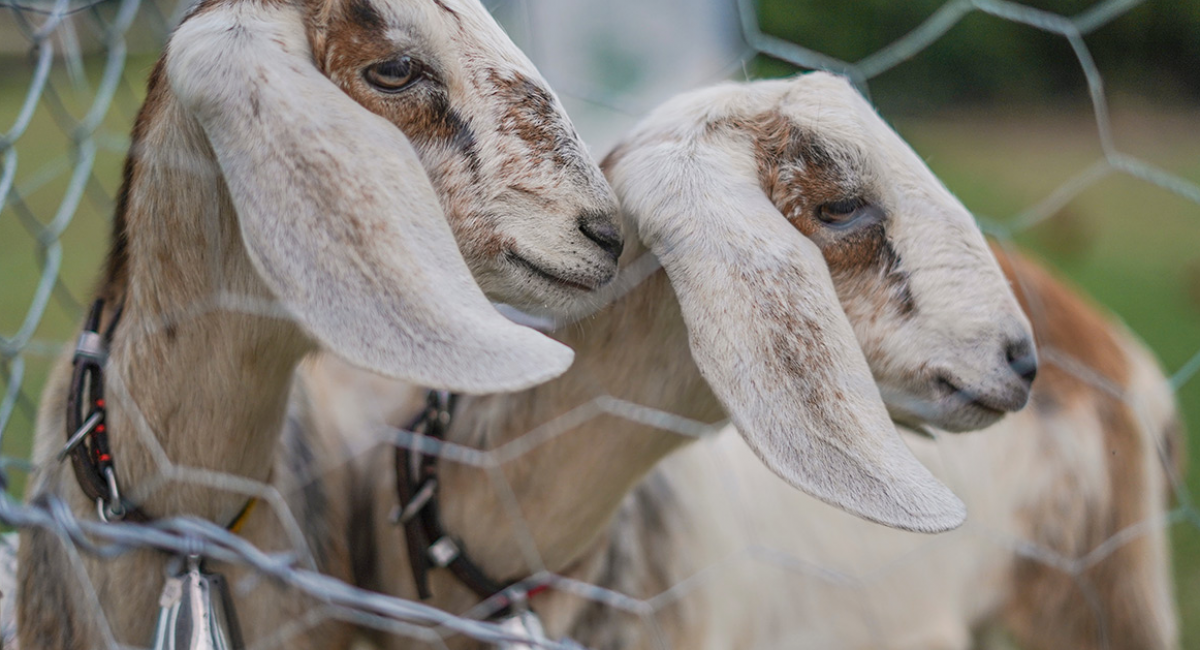
Qurban is Invalid Because of Age!
One of the most frequently overlooked aspects of the sacrificial offering (Qurban) is the age of the animal. This is especially true when the animal has a large body and carries a significant amount of meat. Some people perform Qurban without understanding the proper knowledge, purchasing animals solely based on their physical appearance without confirming their age. This often happens with cows, though it can also occur with other animals like goats and sheep. How does the Sharia view this matter?
One of the conditions for the validity of the sacrificial slaughter, ensuring it holds value in the sight of Allah, is meeting the age requirement. Because Qurban is a pure act of worship performed for Allah, its execution must follow the instructions of the Messenger of Allah ﷺ. The Prophet ﷺ said regarding sacrificial animals:
لَا تَذْبَحُوا إِلَّا مُسِنَّةً إِلَّا أَنْ يَعْسُرَ عَلَيْكُمْ فَتَذْبَحُوا جَذَعَةً مِنَ الضَّأْنِ
“Do not slaughter except a musinnah animal. Unless it is difficult for you, then slaughter a sheep that has reached the age of jadza’ah.” (HR. Muslim: 1961 from Jabir bin Abdillah)
The companion Abu Burdah bin Niyar once said:
يَا رَسُولَ اللهِ، إِنَّ عِنْدِي عَنَاقَ لَبَنٍ هِيَ خَيْرٌ مِنْ شَاتَيْ لَحْمٍ
“O Messenger of Allah, indeed I have a young female goat that is better than two meat-heavy sheep.” The Prophet ﷺ replied:
هِيَ خَيْرُ نَسِيكَتَيْكَ وَلَا تَجْزِي جَذَعَةٌ عَنْ أَحَدٍ بَعْدَكَ
“It is the best of your sacrifices, but a jadza’ah goat will not be valid for anyone after you.” (HR. Al-Bukhari: 955 and Muslim: 1961 from Al-Bara’ bin ‘Azib. This is Muslim's wording)
The phrase “better than two meat-heavy sheep” indicates that the goat was large, fat, and had plenty of meat. However, the Prophet ﷺ only allowed it specifically for him at that time and prohibited it for others because the goat's age was still jadza’ah. This shows that size, fatness, and quantity of meat cannot replace the age requirement, which is a condition for the validity of the sacrifice. Conversely, an animal that has reached the sufficient age is valid according to Sharia even if it appears small, lean, or does not have much meat.
So, what are the minimum age requirements according to the scholars?
The Age of Sheep
The scholars of the four schools of thought agree that the minimum age for a sheep must reach jadza’ah, except for what is narrated from the Dhahiriyah (1) who do not consider the jadza’ah age valid. Qadhi ‘Iyadh Al-Maliki stated:
وَلَا خِلَافَ بَيْنَ الْعُلَمَاءِ أَنَّهُ لَا يُجْزِئُ الْجَذَعُ إِلَّا مِنَ الضَّأْنِ وَحْدَهَا
“There is no dispute among scholars that the jadza’ah age is not valid except for sheep alone.” (Ikmal Al-Mu’lim bi Fawaid Muslim, 6/408)
Imam At-Thahawi said:
أَجْمَعَ فُقَهَاءُ الْأَمْصَارِ عَلَى جَوَازِ الْجَذَعِ مِنَ الضَّأْنِ
“The jurists of the major cities (amshar) agree on the permissibility of (sacrificing) a sheep at the age of jadza’ah.” (Mukhtashar Ikhtilaf Al-Ulama, 2/77)
This scholarly consensus is based on the Prophet's ﷺ statement:
لَا تَذْبَحُوا إِلَّا مُسِنَّةً إِلَّا أَنْ يَعْسُرَ عَلَيْكُمْ فَتَذْبَحُوا جَذَعَةً مِنَ الضَّأْنِ
“Do not slaughter except a musinnah animal. Unless it is difficult for you, then slaughter a sheep that has reached the age of jadza’ah.” (HR. Muslim: 1961 from Jabir bin Abdillah)
However, scholars differ on the exact age a sheep is called jadza’ah. The famous opinion of the Malikiyah and the official (muktamad) view of the Syafiiyah state that jadza’ah is a sheep that has completed 1 year of age. From the Malikiyah, Imam Ibnu Abi Zaid Al-Qayrawani said:
وَأَقَلُّ مَا يُجْزِئُ فِيهَا مِنْ الْأَسْنَانِ الْجَذَعُ مِنْ الضَّأْنِ وَهُوَ ابْنُ سَنَةٍ
“The minimum valid age for a sheep is jadza’ah, which is 1 year old.” (Ar-Risalah p. 78)
According to the Syafiiyah, Imam An-Nawawi said:
عِنْدَ جُمْهُورِ الْأَصْحَابِ الْجَذَعَةُ مَا اسْتَكْمَلَتْ سَنَةً
“According to the majority of our companions (Syafiiyah), jadza’ah is what has completed one year.” (Al-Majmu’ Syarh Al-Muhaddzab, 5/397)
On the other hand, the Hanafiyah and Hanabilah state that a sheep is jadza’ah once it reaches 6 months of age (10). However, the Hanafiyah stipulate that the sheep must be large in size, appearing close to a 1-year-old animal from a distance. Imam Al-Marghiyani from the Hanafiyah said:
وَالْجَذَعُ مِنَ الضَّأْنِ مَا تَمَّتْ لَهُ سِتَّةُ أَشْهُرٍ فِي مَذْهَبِ الْفُقَهَاءِ
“As for the jadza’ah age for a sheep, it is when it has completed 6 months according to the school of the jurists (Hanafiyah).” (Al-Hidayah, 4/359)
Imam Ibnu Qudamah Al-Hanbali stated:
وَالْجَذَعُ مِنْ الضَّأْنِ مَا لَهُ سِتَّةُ أَشْهُرٍ وَدَخَلَ فِي السَّابِعِ
“The jadza’ah age for a sheep is when it has completed 6 months and entered the seventh.” (Al-Mughni 9/440)
In conclusion, none of the madhhab scholars reached a complete consensus on the minimum age for jadza’ah. If viewed from the perspective of age, the safest and most cautious opinion—to avoid scholarly dispute—is that the minimum age for a sheep is 1 year, which is the view of the majority (Malikiyah, Syafiiyah, and Hanafiyah for normal-sized sheep).
The Age of Goats
Although goats and sheep are of a similar kind, they have different rulings in Qurban. Scholars agree that a goat at the jadza’ah age is not valid for sacrifice. Only a goat that has reached the age of tsaniy is valid.
Imam Ibnu Hubairah from the Hanabilah said:
وَاتَّفَقُوا عَلىَ أَنَّهُ لَا يُجْزِئُ مِمَّا سِوَى الضَّأْنِ إِلَّا الثَّنِيُّ عَلَى الْإِطْلَاقِ مِنَ الْمَاعِزِ وَالْبَقَرِ
“They (the scholars) agreed that nothing other than sheep is valid except for the tsaniy age absolutely, for both goats and cows.” (Ikmal Al-Mu’lim, 1/333)
Scholars differ on the meaning of tsaniy for goats. The Hanafiyah, the famous Maliki view (19), and the Hanabilah (the majority) consider tsaniy to be when the goat has completed 1 year and entered its second year. Meanwhile, the Syafiiyah and Dhahiriyah consider it to be when the goat has completed 2 years and entered its third year.
Imam An-Nawawi from the Syafiiyah said:
وَأَمَّا الثَّنْيُ مِنَ الْمَعْزِ فَالْأَصَحُّ أَنَّهُ الَّذِي اسْتَكْمَلَ سَنَتَيْنِ وَدَخَلَ فِي الثَّالثَةِ
“As for the tsaniy for a goat, the most correct view is that it has completed 2 years and entered the third.” (Raudhah At-Thalibin, 3/193)
If one wishes to follow the principle of being cautious, the Syafiiyah's view (2 years) is safer. However, if following the majority, the minimum age is 1 year.
The Age of Cows
Scholars agree that the minimum age for a cow is tsaniyyah. This is based on the Prophet's ﷺ statement regarding musinnah animals, which refers to tsaniyyah.
Imam Abu Ja’far At-Thahawi said:
وَاتَّفَقُوا عَلَى أَنَّهُ لَا يُجْزِئُ مِمَّا سِوَى الضَّأْنِ إِلَّا الثَّنِيِّ عَلَى الْإِطْلَاقِ مِنَ الْمَاعِزِ وَالْبَقَرِ
“They agreed that besides sheep, it is not valid except for the tsaniyyah age absolutely, for both goats and cows.” (Ikhtilaf Al-Aimmah Al-‘Ulama, 1/333)
Regarding the exact age of tsaniyyah for cows: The majority (Hanafiyah, Syafiiyah, and Hanabilah) set it at 2 years completed, entering the third. Meanwhile, the famous Maliki view sets it at 3 years completed, entering the fourth.
Imam An-Nawawi said:
الثَّنِيُّ مِنْ الْبَقَرِ فَهُوَ مَا اسْتَكْمَلَ سَنَتَيْنِ وَدَخَلَ فِي الثَّالِثَةِ
“Tsaniy for a cow is what has completed 2 years and entered the third.” (Al-Majmu’ Syarh Al-Muhaddzab, 8/394)
Imam Ibnu Abi Zaid Al-Qayrawani from the Malikiyah said:
وَالثَّنِيُّ مِنَ الْبَقَرِ مَا دَخَلَ فِي السَّنَةِ الرَّابِعَةِ
“And tsaniyyah for a cow is what has entered the fourth year.” (Ar-Risalah p. 78-79)
Final Conclusion: The minimum age for a cow to be a valid sacrifice is 2 years completed (entering the third), as held by the majority of scholars and linguists. However, the Malikiyah insist on 3 years completed. To avoid dispute, sacrificing a cow aged 3 years or older is superior, but 2 years is sufficient according to the majority. Wallahu a’lam.
Sumber Referensi:-
Ibn Hazm in Al-Muhalla bi Al-Atsar 6/13. The Dhahiriyah consider the sacrifice valid if the age of the sheep or goat has passed 1 year and entered the second. It is unknown whether this is Ibn Hazm’s personal opinion or a representation of the school he followed (Dhahiriyah), as Ibn Rushd Al-Hafid, who was from the same country (Andalusia), attributed this opinion to Ibn Hazm in Bidayah Al-Mujtahid 2/196, rather than to the Dhahiriyah or its founder (Dawud bin Ali Ad-Dhahiri), despite Ibn Rushd frequently quoting the views of the Dhahiriyah or Imam Dawud bin Ali in his book Bidayah Al-Mujtahid.
-
Al-Kharasyi in Syarh Al-Khalil 3/33 and An-Nafrawi in Al-Fawakih Ad-Diwani 1/378.
-
Cited by Al-Qarafi in Adz-Dzakhirah 4/145.
-
Cited by Ibn Yunus As-Shuqly in Al-Jami’ li Masail Al-Mudawwanah 5/829.
-
This is because Maliki scholars differ regarding the minimum age of jadza’ah. Ibn Wahb set the age at 10 months as cited by Al-Baji in Al-Muntaqa 3/86, and this was proposed by Ibn Abdil Barr for the sake of caution, although he mentioned the minimum is 6 months in Al-Kafi 1/420 or 7 months in Al-Istidzkar 5/226. Some Malikiyah set it at 6 months, which is the opinion narrated from Sahnun, Ali bin Ziyad in one narration, and Ibn Sha’ban as cited by Ibn Al-‘Arabi in Al-Masalik 5/163. This opinion is favored by Ibn Al-Jizzi in Al-Qawanin Al-Fiqhiyyah: 126 and Ibn ‘Askar in Irsyad As-Salik: 55. It is also narrated from Malik that the age is 8 months as cited by An-Nafrawi in Al-Fawakih 1/378. In short, there are 4 opinions narrated within the Maliki school, and strangely, Ibn Bazizah mentioned in Raudhah Al-Mustabin 1/679 that all four opinions are well-known (masyhur) in the Maliki school. This is odd, as the majority of Malikiyah affirm that the masyhur opinion is 1 year.
-
This is because some Shafi’iyah set jadza’ah at 8 months for sheep, which is the opinion of Ibn As-Shabbagh as cited by Al-Imrani in Al-Bayan 4/439, and others set it at 6 months, which is the opinion of As-Syirazi and Ar-Ruyani as well as one narration of Imam Shafi’i’s opinion—similar to the Hanbali school—as cited by An-Nawawi in Al-Majmu’ 5/397.
-
Cited by An-Nawawi in Al-Majmu’ 8/393.
-
Zakariya Al-Anshari in Fath Al-Wahhab 2/221, Al-Haitami in Tuhfah Al-Muhtaj 9/348, Jamal Ar-Ramli in Nihayah Al-Muhtaj 8/133, and As-Syarbini in Mughni Al-Muhtaj 6/125.
-
As signaled by As-Syarbini in Mughni Al-Muhtaj 6/125.
-
Nevertheless, some Hanafiyah set the age of jadza’ah at 7 months and entering the 8th according to the opinion of Az-Za’farani as cited by As-Samarqandi in Tuhfah Al-Fuqaha 3/84. The same was affirmed by As-Sarakhshi in Al-Mabsuth 12/10. Others set it at 8 months and entering the 9th, as cited by Al-‘Aini from Abu ‘Ali Ad-Daqqaq in Al-Binayah 12/47. Meanwhile, Ibn Mazah Al-Bukhari set the age at 1 year—similar to the Malikiyah and the majority of Shafi’iyah—as affirmed in Al-Muhith Al-Burhani 6/92.
-
Some Hanabilah are of the opinion that jadza’ah for sheep is 8 months. This is the opinion of Ibn Abi Musa as cited by Ibn Muflih in Al-Furu’ 6/85.
-
Al-Inshaf fi Ma’rifah Ar-Rajih 4/75.
-
Al-Hijawi in Al-Iqna’ 1/401 and Al-Buhuti in Daqaiq Uli An-Nuha 1/602.
-
As cited by Ar-Ruyani in Bahr Al-Madzhab 4/175.
-
As-Syirazi in At-Tanbih fi Al-Fiqh As-Syafi’i: 181 and Ar-Ruyani in Bahr Al-Madzhab 4/175.
-
Bahr Al-Madzhab 4/175.
-
Although some Shafi'iyah permit under 1 year with specific notes as explained previously, in general, the required age is 1 year according to the Shafi'iyah.
-
This is what we have chosen. Wallahu a’lam.
-
Because there is a disagreement among the Malikiyah, and the masyhur view is 1 year as affirmed by Ibn Naji At-Tanukhi in Syarh Matan Ar-Risalah 1/359, and this was affirmed by Imam Ibn Abi Zaid Al-Qayrawani in his text.
-
Ibn Habib cited by Al-Baji in Al-Muntaqa 3/86, Al-Baji in Al-Muntaqa 3/86, Ibn Al-‘Arabi in Al-Masalik 5/164, and the statement of Ibn Abdil Barr in Al-Kafi 1/420. Ibn Abdil Barr held a different opinion on this matter; in Al-Istidzkar, his opinion matches the majority (jumhur), whereas in Al-Kafi, it matches the Shafi’iyah. It is possible that in Al-Kafi, he was explaining the Maliki school’s position as he understood it—following Ibn Habib—while in Al-Istidzkar, it represents his personal legal preference (ikhtiyarat). A similar approach was taken by Al-Baji, where he only cited Ibn Habib’s opinion regarding the tsaniy age for goats and did not mention other opinions.
-
This is what we (the author) have chosen, specifically the opinion of the Hanafiyah and Hanabilah.
-
Among the Malikiyah, including Abdul Wahhab as in Al-Ma’unah p. 659, and it is favored by Ibn Abdil Barr in Al-Kafi 1/420.
-
Cited by An-Nawawi in Al-Majmu’ 8/394.
-
In-sha Allah, the opinion of the majority of scholars is more accurate in this matter. Wallahu a’lam.

 ?>)
 ?>)