 By
By 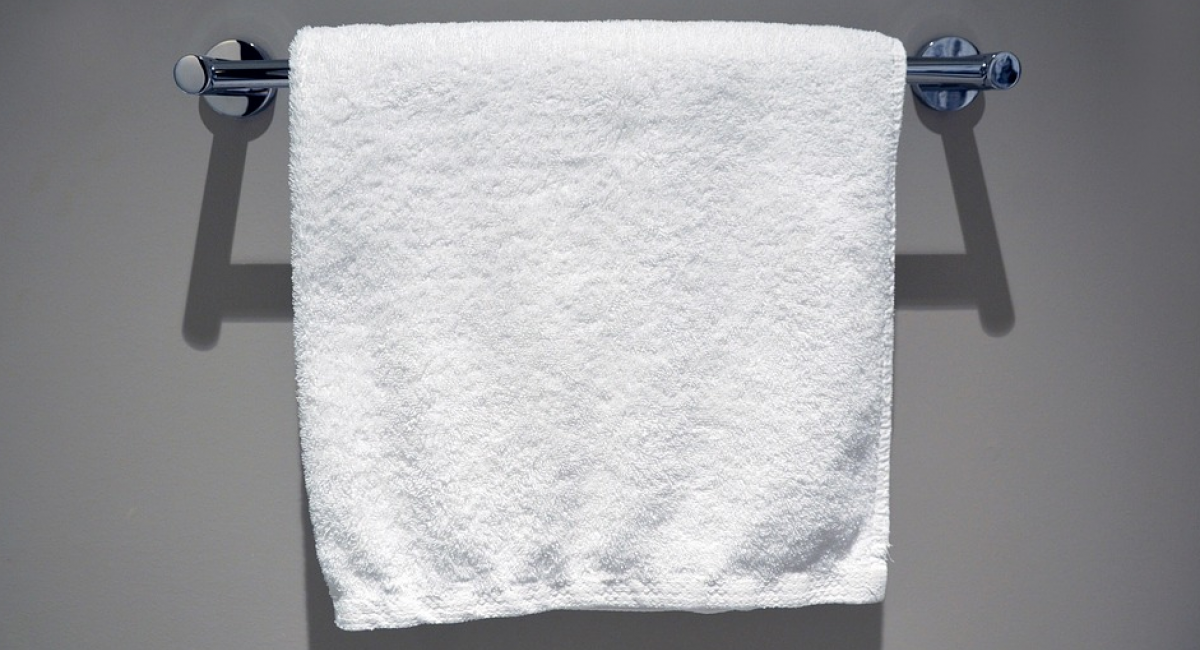
Question:
With all due respect, Ustadz. Does using a towel to wipe or dry off the remnants of wudu (ablution) affect the validity and virtue of the wudu?
Answer:
There are several reports (atsar) from a number of the early generations (Salaf) who discouraged the use of towels, cloths, or similar items to wipe or dry off the water remnants of wudu. The Successor (tabi’in) Ibrahim An-Nakha’i stated:
إِنَّمَا كَانُوا يَكْرَهُونَ الْمِنْدِيلَ بَعْدَ الْوُضُوءِ مَخَافَةَ الْعَادَةِ
“They (the students of the companion Ibn Mas’ud) disliked using a towel after wudu out of fear that it would turn into a habit.” (Narrated by Ibnu Abi Syaibah in Al-Mushannaf, 1/139)
The Companion Jabir bin Abdillah said:
إِذَا تَوَضَّأَتَ فَلَا تَمَنْدَلْ
“If you have performed wudu, do not use a towel.” (Narrated by Abdurrazzaq in Al-Mushannaf, 1/182)
The Companion Abdullah bin Abbas stated:
يَتَمَسَّحُ مِنْ طَهُورِ الْجَنَابَةِ وَلَا يَتَمَسَّحُ مِنْ طَهُورِ الصَّلَاةِ
“One may wipe the remnants of purification from janabah (the major ritual impurity bath), but one should not wipe the remnants of purification from prayer (wudu).” (Narrated by Ibnu Abi Syaibah in Al-Mushannaf, 1/138)
On the other hand, there are also reports from other members of the Salaf who held the opposite view, permitting the wiping of wudu water remnants with a towel. Bunanah, the servant of the Commander of the Faithful, the Companion Uthman bin Affan, narrated:
أَنَّ عُثْمَانَ تَوَضَّأَ فَمَسَحَ وَجْهَهُ بِالْمِنْدِيلِ
“Uthman once performed wudu, and then he wiped his face with a towel.” (Narrated by Ibnu Abi Syaibah in Al-Mushannaf, 1/137)
The Successor Ubaidullah bin Abu Bakr—the grandson of the Companion Anas bin Malik—said:
رَأَيْتُ أَنَسَ بْنَ مَالِكٍ يَمْسَحُ وَجْهَهُ بِالمِنْدِيلِ بَعْدَ الْوُضُوءِ
“I saw Anas bin Malik wiping his face with a towel after wudu.” (Narrated by Al-Atsram: 93)
The Successor Hakim bin Jabir narrated:
أَنَّ حَسَنَ بْنَ عَلِيٍّ تَوَضَّأَ ثُمَّ دَعَا بِرُقْعَةٍ يُنَشِّفُ بِهَا
“Hasan bin Ali performed wudu, and then he asked for a cloth to be brought so he could dry himself with it.” (Narrated by Abdurrazzaq in Al-Mushannaf, 1/183)
Setting aside the differences among the Salaf regarding whether or not it is permissible to wipe the remnants of wudu with a towel or cloth, the scholars of jurisprudence (Fiqh) developed differing opinions on its legal status. There are two well-known views on this issue:
First: It is better to avoid it. This means it is neither prohibited (haram) nor explicitly disliked (makruh). Rather, it is simply preferred to leave it (khilaful aula) without using a towel after wudu. This is the authentic position within the Shafi'i school. Imam An-Nawawi stated:
قَدْ ذَكَرْنَا أَنَّ الصَّحِيحَ فِي مَذْهَبِنَا أَنَّهُ يُسْتَحَبُّ تَرْكُهُ وَلَا يُقَال التَّنْشِيفُ مَكْرُوهٌ
“We have already mentioned that the authentic view in our school (the Shafi'is) is that it is recommended to leave it, but it cannot be said that drying oneself is makruh.” (Al-Majmu’ Syarh Al-Muhaddzab, 1/461)
Evidence & Derivation:
The evidence for this view rests upon the practice of the Prophet, who chose not to use a towel after completing his wudu and his ritual bath (ghusl janabah). The Mother of the Believers, Maymunah, narrated:
أَنَّ النَّBِيَّ صَلَّى اللهُ عَلَيْهِ وَسَلَّمَ أُتِيَ بِمِنْدِيلٍ فَلَمْ يَمَسَّهُ وَجَعَلَ يَقُولُ: "بِالْمَاءِ" هَكَذَا يَعْنِي يَنْفُضُهُ
“The Prophet ﷺ was once brought a towel, but he did not touch it. Instead, he began to say, 'Just the water,' while shaking it off like this.” (HR. Muslim: 317)
The derivation demonstrates that the action of the Prophet indicates that what is most virtuous is to avoid wiping off the remnants of water with a towel or cloth after wudu and ghusl. This is because a towel was actively brought to him, yet he chose not to use it, and the Messenger of Allah is the best example to follow.
Nevertheless, this does not mean that wiping wudu water with a towel is forbidden, as there is no prohibition from the Prophet regarding it whatsoever. If it were forbidden or disliked, the Prophet would have issued a warning against it. The absence of a prophetic prohibition regarding the use of a towel after wudu indicates its basic permissibility, even though avoiding it remains more virtuous out of emulation of him.
Furthermore, there is a general encouragement to preserve the physical traces of acts of worship, and some reports connect the virtues of wudu directly to the dripping drops of water used. The Messenger of Allah said:
أَيُّمَا رَجُلٍ قَامَ إِلَى وَضُوئِهِ يُرِيدُ الصَّلَاةَ, ثُمَّ غَسَلَ كَفَّيْهِ نَزَلَتْ خَطِيئَتُهُ مِنْ كَفَّيْهِ مَعَ أَوَّلِ قَطْرَةٍ, فَإِذَا مَضْمَضَ وَاسْتَنْشَقَ وَاسْتَنْثَرَ نَزَلَت| خَطِيئَتُهُ مِنْ لِسَانِهِ وَشَفَتَيْهِ مَعَ أَوَّلِ قَطْرَةٍ, فَإِذَا غَسَلَ وَجْهَهُ نَزَلَتْ خَطِيئَتُهُ مِنْ سَمْعِهِ وَبَصَرِهِ مَعَ أَوَّلِ قَطْرَةٍ, فَإِذَا غَسَلَ يَدَيْهِ إِلَى الْمِرْفَقَيْنِ وَرِجْلَيْهِ إِلَى الْكَعْبَيْنِ سَلِمَ مِنْ كُلِّ ذَنْبٍ هُوَ لَهُ
“Whosoever stands up to perform his wudu intending to pray, and then washes his hands, his sins drop from his hands with the very first drop of water. When he rinses his mouth, snuffs water into his nose, and expels it, his sins drop from his tongue and lips with the first drop of water. When he washes his face, his sins drop from his hearing and sight with the first drop of water. And when he washes his arms up to the elbows and his feet up to the ankles, he is saved from every sin he had committed.” (HR. Ahmad in Al-Musnad: 22267 from Abu Umamah Al-Bahili) [1]
This hadith subtly implies an encouragement to maintain the physical traces of worship. This is structurally comparable to the virtue of the breath of a fasting person or the dust on the feet of the mujahidin, both of which serve as a proof or witness for that act of worship.
An exception is made if there is a practical necessity that requires wiping the wudu water. If there is a need or a potential harm, then wiping the water remnants is recommended. Imam An-Nawawi stated:
قَالَ أَصْحَابُنَا وَسَوَاءٌ التَّنْشِيفُ فِي الْوُضُوءِ وَالْغُسْلِ هَذَا كُلُّهُ إذَا لَمْ تَكُنْ حَاجَةٌ إلَى التَّنْشِيفِ لِخَوْفِ بَرْدٍ أَوْ الْتِصَاقٍ بِنَجَاسَةٍ وَنَحْوِ ذَلِكَ فَإِنْ كَانَ فَلَا كَرَاهَةَ قَطْعًا
“Our companions (the Shafi'is) said: it makes no difference whether the drying is done for wudu or ghusl. All of this applies as long as there is no necessity for drying, such as fearing the cold, or fear of impurities sticking to the skin, and the like. If such a need exists, there is absolutely no dislike (karahah) whatsoever.” (Al-Majmu’, 1/462)
Second: It is permissible absolutely. This means it is neither prohibited nor specifically commanded. A person who does it is not blamed, and a person who leaves it does not gain any extra spiritual edge. This is the opinion of the majority of scholars (Jumhur), namely the Hanafi, Maliki, and Hanbali schools, as well as a group within the Shafi'i school. [2]
It is mentioned in Al-Fatawa Al-Hindiyyah, one of the primary references of the Hanafi school:
وَلَا بَأْسَ بِالتَّمَسُّحِ بِالْمِنْدِيلِ بَعْدَ الْوُضُوءِ كَذَا فِي التَّبْيِينِ
“There is no harm in wiping—the remnants of wudu—with a towel after wudu. Thus it is stated in At-Tabyin.” (Al-Fatawa Al-Hindiyyah, 1/9)
Imam Ibnu Qasim—the student of Imam Malik—from the Maliki school related:
وَقَالَ مَالِكٌ: لَا بَأْسَ بِالْمَسْحِ بِالْمِنْدِيلِ بَعْدَ الْوُضُوءِ
“Malik said: 'There is no harm in wiping—the remnants of wudu—with a towel after wudu.'” (Al-Mudawwanah, 1/125)
Imam Ibnu Qudamah from the Hanbali school stated:
وَلَا بَأْسَ بِتَنْشِيفِ أَعْضَائِهِ بِالْمِنْدِيلِ مِنْ بَلَلِ الْوُضُوءِ وَالْغُسْلِ, قَالَ الْخَلَّالُ الْمَنْقُولُ عَنْ أَحْمَدَ أَنَّهُ لَا بَأْسَ بِالتَّنْشِيفِ بَعْدَ الْوُضُوءِ
“There is no harm in drying one's limbs with a towel from the wetness of wudu and ghusl. Al-Khallal noted: 'What is transmitted from Ahmad is that there is no harm in drying oneself with a towel after wudu.'” (Al-Mughni, 1/104)
Evidence & Derivation:
The evidence for this opinion is also drawn from an action of the Prophet, specifically a narration where he wiped his wudu remnants. It is narrated that the Companion Salman Al-Farisi said:
أَنَّ رَسُولَ اللَّهِ - صَلَّى اللَّهُ عَلَيْهِ وَسَلَّمَ - تَوَضَّأَ فَقَلَبَ جُبَّةَ صُوفٍ كَانَتْ عَلَيْهِ فَمَسَحَ بِهَا وَجْهَهُ
“The Messenger of Allah ﷺ once performed wudu, then he turned over a wool cloak he was wearing and wiped his face with it.” (HR. Ibnu Majah: 468) [3]
The derivation implies that the apparent variation between these two prophetic actions proves that drying off the wetness of wudu with a towel or cloth is fundamentally permissible. This indicates that the Prophet sometimes dried his limbs after wudu and sometimes chose not to. Coupled with the absence of an explicit, textual prophetic prohibition against using a towel after wudu, the Prophet’s alternating behavior places this practice into the category of sunnah khalqiyah (customary or natural human habit), meaning a practice of the Prophet that does not carry a formal legislative demand, as it reflects ordinary human habits.
Conclusion
Both the first and second opinions structurally indicate that utilizing a towel, or anything else, to dry off the wet remnants of wudu does not diminish the basic validity or spiritual virtues (reward) of the wudu in the slightest. There is no direct prophetic prohibition against wiping wudu water. In fact, an explicit consensus has been recorded that drying oneself is not prohibited. Imam An-Nawawi stated:
وَنَقَلَ الْمَحَامِلِيُّ الْإِجْمَاعَ عَلَى أَنَّهُ لَا يَحْرُمُ وَإِنَّمَا الْخِلَافُ فِي الْكَرَاهَةِ
“Al-Mahamili transmitted the consensus (ijma’) among scholars that it is not forbidden; the disagreement lies solely on whether it is disliked.” [4] (Al-Majmu’ Syarh Al-Muhaddzab, 1/462)
The jurists of all four major schools of thought agree that drying or wiping the remnants of wudu is absolutely not prohibited, nor is it strictly blameworthy. The majority of jurists permit it unconditionally, while the Shafi'i school prefers leaving it out of caution, without branding it as disliked. In brief, drying the remnants of wudu does not deduct from the rewards of wudu, let alone damage its fundamental validity, according to the complete consensus of the four schools of law. Wallahu a’lam bis-shawab.
Sumber Referensi:[1] A similar hadith is also narrated by Muslim in his Sahih: 244 from Abdullah As-Shunabihi
[2] Those among the Shafi'is are Abu ‘Ali At-Thabari and Abu At-Thayyib, as cited by An-Nawawi in Al-Majmu’ 1/461-462
[3] Authenticated (shahih) by Al-Bushiri in Mishbah Az-Zujajah 1/67 by utilizing the hadith of Mu’adz, which contains weakness, as a supporting text
[4] This dislike (karahah) is one of the narrated opinions of Ahmad bin Hanbal, as cited by Ibn Taymiyyah in Majmu’ Al-Fatawa 22/171 and Al-Mardawi in Al-Inshaf 1/166. It is also related as a prevailing opinion among a segment of the Shafi'is, as cited by An-Nawawi 1/461 and Ar-Rafi’i in As-Syarh Al-Kabir 1/134. Some Successors (tabi’in) also explicitly deemed it disliked, such as Ibn Abi Layla, Ibrahim An-Nakha’i, Mujahid, Sa’id bin Al-Musayyab, and Abu Al-‘Aliyah, as cited by Ibn Al-Mundzir in Al-Ausath 1/416. The same applies to ‘Atha bin Abi Rabah and Ibnu Jubair according to the narration of Abdurrazzaq in Al-Mushannaf 1/181-182
 ?>)
 ?>)