 By
By 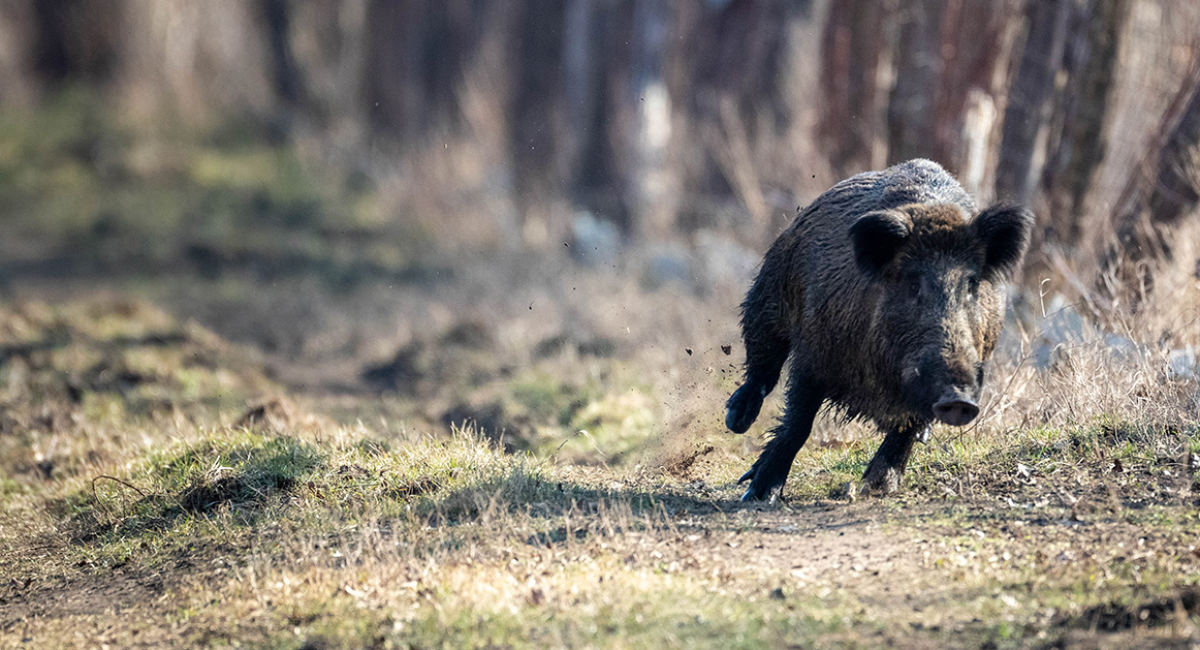
Question,
One of the pests that frequently damages local plantation lands is the wild boar. Generally, to eradicate them, farmers set traps to ensnare these wild boars. When a wild boar is caught, the farmers call Christians from another village to conduct a barter or exchange of goods. The items bartered are the ensnared wild boar along with the used trap rope, which is exchanged for a new rope.
The purpose of this barter is so that the farmers obtain a new rope for trapping and avoid reusing a rope that has been contaminated by the impurity (najis) of the pig. The barter is also conducted so that the trapped boar does not die and become a carcass in the plantation, and so that the process of releasing the boar from the trap can be performed by the Christians, thereby preventing the farmers from touching the pig.
The question is, is such a barter or exchange of goods halal or haram, considering the farmers are handing over forbidden livestock or food to others? Syukran.
Answer,
Barter trading falls under the category of legislated trade and is included in the general rulings of buying and selling. It is referred to as Al-Muqayadhah trade, or the exchange of goods for goods. Therefore, the pillars and conditions of buying and selling apply to it, namely that each item being exchanged (bartered) must be halal or possess a benefit permitted by Shari'a. In the case mentioned above, one of the items used as a medium of barter is a prohibited object (wild boar). Regarding this, the Messenger of Allah ﷺ said:
إِنَّ اللَّهَ وَرَسُولَهُ حَرَّمَ بَيْعَ الخَمْرِ وَالمَيْتَةِ وَالخِنْزِيرِ وَالأَصْنَام فَقِيلَ: "يَا رَسُولَ اللَّهِ، أَرَأَيْتَ شُحُومَ المَيْتَةِ، فَإِنَّهُ يُطْلَى بِهَا السُّفُنُ وَيُدْهَنُ بِهَا الجُلُودُ وَيَسْتَصْبِحُ بِهَا النَّاسُ؟" قَالَ: "لَا، هُوَ حَرَامٌ"
"Indeed, Allah and His Messenger have forbidden the sale of wine (khamr), carcasses, pigs, and idols." It was asked, "O Messenger of Allah, what do you think about the fat of carcasses? For it is used to coat ships, grease hides, and people use it for lamps?" He replied: "No, it is haram." (Narrated by At-Tirmidzi: 1297 from Jabir bin Abdillah)
The above hadith clearly forbids the sale of pigs, and bartering is a form of a sales contract. Not only are selling and bartering forbidden, but even utilizing a pig for personal interest—not to be sold or exchanged again—even if not for consumption, remains prohibited, just as the ruling applies to carcasses. It is certainly even more forbidden if it is bartered. In another narration, the Messenger of Allah ﷺ explicitly forbade the proceeds of any transaction involving pigs:
إِنَّ اللَّهَ حَرَّمَ الْخَمْرَ وَثَمَنَهَا وَحَرَّمَ الْمَيْتَةَ وَثَمَنَهَا وَحَرَّمَ الْخِنْزِيرَ وَثَمَنَهُ
"Indeed, Allah has forbidden wine and its price, forbidden carcasses and their price, and forbidden pigs and their price." (Narrated by Abu Dawud: 3485 from Abu Hurairah)
All scholars have reached a consensus (ijma’) regarding the prohibition of buying and selling pigs. Imam Ibn Al-Qatthan Al-Fasi stated:
وَأَجْمَعَ أَهْلُ اْلعِلْمِ عَلَى أَنَّ بَيْعَ الْخِنْزِيرِ وَشِرَاءَهُ حَرَامٌ
"The people of knowledge have reached a consensus that selling and buying pigs is haram." (Al-Iqna’ fi Masail Al-Ijma’, 2/228) (1)
On the other hand, giving pigs to Christians is also forbidden, as it falls under the category of cooperating in sin and transgression. This is because Christians generally consume the meat, consider it permissible, and trade it. In fact, the pig itself has been forbidden since the time of previous prophets, as acknowledged by their own scriptures.
Regarding the farmers who feel the rope is impure due to the pig, this is not a valid excuse. This impurity can be purified with water, so farmers do not need a new rope or to replace the rope for every wild boar caught. Touching a pig or impurity is not haram as long as there is a need for it. They must not fall into a forbidden transaction and commit a greater sin simply because they feel disgusted by the impurity of the pig. That impurity can be removed and purified with water, while touching impurity for a necessity is not a sin at all. Do humans not touch impurity every day when cleaning themselves from the waste that comes out of their own bodies (istinja)?! It should be noted that when these farmers choose to barter the wild boar for a new rope solely because they feel disgusted by the pig, the new rope obtained from the barter becomes prohibited property (harta haram) and is not halal for them to use. Furthermore, they have sinned by bartering the pig for the rope. They may only donate or give the rope to others in need if they have already bartered it, but they must not utilize it at all, as it is considered prohibited wealth.
Let them not be like the Jews for whom the Messenger of Allah ﷺ prayed for destruction because they sold or bartered food that was forbidden to them, even though they did not consume it. The Messenger of Allah ﷺ said:
قَاتَلَ اللهُ الْيَهُودَ! حَرَّمَ اللهُ عَلَيْهِمُ الشُّحُومَ فَبَاعُوهَا وَأَكَلُوا أَثْمَانَهَا
"May Allah destroy the Jews! Allah forbade them the fat, but they sold it and consumed its price." (Narrated by Muslim: 1583 from Abu Hurairah)
Wallahu a’lam.
Sumber Referensi:1. This consensus (ijma’) was originally cited by Ibn Al-Mundzir in Al-Ijma’ p. 95
 ?>)
 ?>)