
 By
By 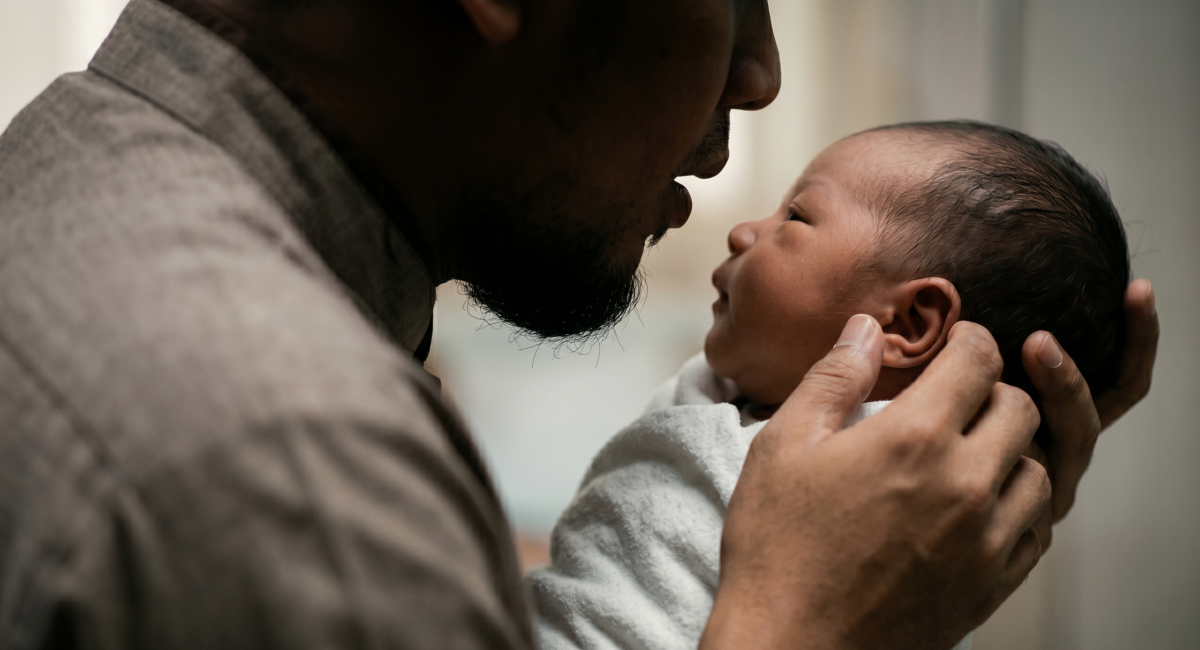
Reciting the Adhan for a Newborn Baby
This question has been asked of us several times. This is undoubtedly due to the differing views among Muslims regarding this matter. Some prohibit it, while others recommend it. As a good Muslim, everything must be measured with knowledge, not based on mere sentiment. The following are the views of the scholars and the core of the issue. In this matter, scholars have different perspectives:
The First View: Disliking (Makruh) and Non-Legislated
This is the view of Imam Malik and the majority of the Maliki school, as well as the agreed-upon opinion in the Hanafi school. Imam Al-Hatthab from the Maliki school stated:
قَالَ الشَّيْخُ أَبُو مُحَمَّدِ بْنِ أَبِي زَيْدٍ فِي كِتَابِ الْجَامِعِ مِنْ مُخْتَصَرِ الْمُدَوَّنَةِ وَكَرِهَ مَالِكٌ أَنْ يُؤَذَّنَ فِي أُذُنِ الصَّبِيِّ الْمَوْلُودِ انْتَهَى. وَقَالَ فِي النَّوَادِرِ بِإِثْرِ الْعَقِيقَةِ فِي تَرْجَمَةِ الْخِتَانِ وَالْخِفَاضِ، وَأَنْكَرَ مَالِكٌ أَنْ يُؤَذَّنَ فِي أُذُنِهِ حِينَ يُولَدُ انْتَهَى
“Sheikh Abu Muhammad bin Abu Zaid in the book Al-Jami’ min Mukhtashar Al-Mudawwanah said, 'Malik disliked the Adhan being performed in the ear of a newborn baby' —end quote—. He also said in An-Nawadir regarding Aqiqah, circumcision, and khifadh, 'And Malik denounced that the Adhan be performed in his (the baby's) ear when he is born' —end quote—." (Mawahib Al-Jalil, 1/434).
This might be the reason why discussions on the law of Adhan in a baby's ear are rare or almost non-existent in various Maliki Fiqh references. It is very difficult to find, even in the references of later (muta'akhirin) Maliki scholars. It is as if the Adhan for newborns is completely unrecognized in this school. Wallahu a’lam.
As for the Hanafi school, Al-Hafizh Al-Aini explicitly stated:
(لِلصَّلَوَاتِ الْخَمْسِ وَالْجُمْعَةِ) ش: هَذَا مَحَلُّهُ الَّذِي شُرِعَ فِيهِ الْأَذَانُ، وَلَا يُشْرَعُ بِغَيْرِ الصَّلَاةِ الْخَمْسِ بِلَا خِلَافٍ وَلِلْجُمْعَةِ أَيْضًا
“For the five daily prayers and Friday prayer.” (Explanation): This is the place where the Adhan is legislated, and it is not legislated for anything other than the five daily prayers without any disagreement (within the Hanafi school), nor for anything other than the Friday prayer.” (Al-Binayah Syarh Al-Hidayah, 2/78).
The Second View: Legislated and Recommended
This is the opinion of some scholars as well as the official (muktamad) position in the Shafi'i and Hanbali schools, along with the view of some later Hanafi and a few later Maliki scholars.
Imam An-Nawawi Al-Shafi'i stated:
السُّنَّةُ أَنْ يُؤَذَّنَ فِي أُذُنِ الْمَوْلُودِ عِنْدَ وِلَادَتِهِ ذَكَرًا كَانَ أَوْ أُنْثَى وَيَكُونُ الْأَذَانُ بِلَفْظِ أَذَانِ الصَّلَاةِ
“It is Sunnah to perform the Adhan in the ear of the newborn at the time of birth, whether male or female, and the Adhan should be with the wording of the prayer Adhan.” (Al-Majmu’ Syarh Al-Muhaddzab, 8/442).
Imam Al-Mardawi Al-Hanbali stated:
الثَّانِيَةُ: يُؤَذَّنُ فِي أُذُنِ الْمَوْلُودِ حِينَ يُولَدُ
“Second, (it is recommended) to perform the Adhan in the ear of the newborn when it is born.” (Al-Inshaf, 4/114).
We say "some scholars" because not all scholars from these schools (Shafi'i and Hanbali) discussed or recommended the Adhan for newborns. This was signaled by Imam Ibn Qudamah Al-Hanbali:
فَصْلٌ: قَالَ بَعْضُ أَهْلِ الْعِلْم: يُسْتَحَبُّ لِلْوَالِدِ أَنْ يُؤَذِّنَ فِي أُذُنِ ابْنِهِ حِينَ يُولَدُ
“Section: Some of the people of knowledge recommend for the parent to perform the Adhan in his son's ear when he is born.” (Al-Mughni, 9/464).
Likewise, Imam An-Nawawi noted:
يُسْتَحَبُّ أَنْ يُؤَذِّنَ مَنْ وُلِدَ لَهُ وَلَدٌ فِي أُذُنِهِ. وَكَانَ عُمَرُ بْنُ عَبْدِ الْعَزِيزِ رَحِمَهُ اللَّهُ، إِذَا وُلِدَ لَهُ وَلَدٌ، أَذَّنَ فِي أُذُنِهِ الْيُمْنَى، وَأَقَامَ فِي الْيُسْرَى، وَاسْتَحَبَّهُ بَعْضُ أَصْحَابِنَا
“It is recommended for the one to whom a child is born to recite the Adhan in his ear. Umar bin Abdul Aziz—may Allah have mercy on him—whenever a child was born to him, would recite the Adhan in the right ear and the Iqamah in the left, and some of our companions recommended this.” (Raudhah At-Thalibin, 3/233).
The Core of the Issue
The core of this difference in opinion lies in the evaluation of the famous hadith found in Sunan Abu Dawud and Sunan At-Tirmidzi, from the companion Abu Rafi’ who said:
رأيتُ رسولَ اللَّهِ صلَّى اللَّهُ علَيهِ وسلَّمَ أذَّنَ في أُذُنِ الحسنِ بنِ عليٍّ حينَ ولدَتْهُ فاطمةُ بالصَّلاةِ
“I saw the Messenger of Allah ﷺ reciting the Adhan in the ear of Al-Hasan bin Ali when Fatimah gave birth to him, with the Adhan of prayer.” (HR. Abu Dawud: 5105 and At-Tirmidzi: 1514).
Some scholars have authenticated this hadith, including At-Tirmidzi himself who called it "Hasan Sahih," as well as Al-Hakim and An-Nawawi. Meanwhile, others have weakened it, such as Al-Mundziri, Al-Asqalani, and Al-Albani (who initially authenticated it but later retracted his view).
Those who consider the Adhan for babies as non-legislated (or even bid'ah) follow the scholars who weakened the hadith. Those who recommend it follow the scholars who authenticated it.
Authentic Alternatives
It is somewhat strange to see some people troubled if a baby is not given the Adhan, yet they neglect teachings clearly authenticated in the Quran regarding what should be done first when a baby is born. The Quran teaches us the prayer that should be recited through the story of Maryam’s mother. Allah says:
فَلَمَّا وَضَعَتْهَا قَالَتْ رَبِّ إِنِّي وَضَعْتُهَا أُنْثَى وَاللَّهُ أَعْلَمُ بِمَا وَضَعَتْ وَلَيْسَ الذَّكَرُ كَالْأُنْثَى وَإِنِّي سَمَّيْتُهَا مَرْيَمَ وَإِنِّي أُعِيذُهَا بِكَ وَذُرِّيَّتَهَا مِنَ الشَّيْطَانِ الرَّجِيمِ
“But when she delivered her, she said, 'My Lord, I have delivered a female.' And Allah was most knowing of what she delivered, 'And the male is not like the female. And I have named her Maryam, and I seek refuge for her in You and [for] her descendants from Satan, the expelled [from the mercy of Allah].'” (QS. Ali Imran: 36).
Thus, the prayer we should recite based on this verse is:
إِنِّي أُعِيذُهَا بِكَ وَذُرِّيَّتَهَا مِنَ الشَّيْطَانِ الرَّجِيمِ
“I seek refuge for her in You and [for] her descendants from Satan, the expelled.” (Note: change ha to hu if the baby is male).
Furthermore, there is an authentic practice from the Messenger of Allah ﷺ. Abdullah bin Abbas said:
كَانَ رَسُولُ اللهِ صَلَّى اللَّهُ عَلَيْهِ وَسَلَّمَ يُعَوِّذُ الحَسَنَ وَالحُسَيْنَ يَقُولُ: أُعِيذُكُمَا بِكَلِمَاتِ اللهِ التَّامَّةِ مِنْ كُلِّ شَيْطَانٍ وَهَامَّةٍ وَمِنْ كُلِّ عَيْنٍ لاَمَّةٍ وَيَقُولُ: هَكَذَا كَانَ إِبْرَاهِيمُ يُعَوِّذُ إِسْحَاقَ وَإِسْمَاعِيلَ
“The Messenger of Allah ﷺ used to seek refuge for Al-Hasan and Al-Husain, saying: 'I seek refuge for both of you in the perfect words of Allah from every devil and poisonous pest and from every evil eye.' And he would say: 'This is how Ibrahim used to seek refuge for Ishaq and Ismail.'” (HR. Abu Dawud: 4737 and At-Tirmidzi: 2060).
Conclusion: These two prayers should be the first things practiced when a baby is born, as they are explicitly detailed by the Quran and the authentic Sunnah. Performing the Adhan remains a matter of scholarly choice—one may follow those who recommend it or leave it to avoid disagreement, as the aforementioned prayers are sufficient. Wallahu a’lam bish-shawab.
Sumber Referensi:- Ibrahim Ibn Muflih stated in Al-Mubaddi’ fi Syarh Al-Muqni’ 3/275, “Authenticated by Abu Dawud.”

 ?>)

 ?>)