
 By
By 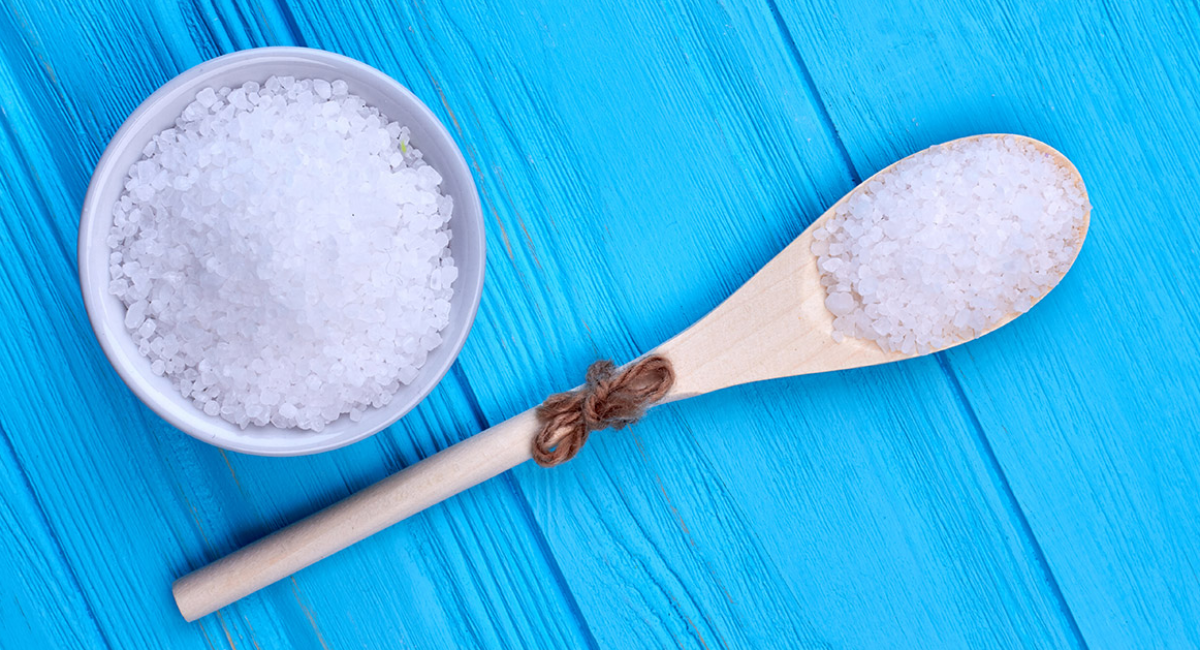
A video has circulated of a sheikh who denies the use of salt as a means (wasilah) of ruqyah. The sheikh even mentioned that it (ruqyah using salt) was not known during the time of the Prophet, then strictly prohibited the act and called such methods an act of sha’wadhah (sorcery/trickery). Is the sheikh's answer or fatwa correct? Is his stance appropriate?
It should be noted that ruqyah shar’iyyah is not built upon blind imitation (taqlid) of the personal fatwas of any specific sheikh. Rather, it is built upon Sharia principles derived from the Quran and Sunnah and established by the scholars. It is important to understand that ruqyah is thibbi (medical) and tajribi (experimental) in nature. It is not a worship that is tauqifi (strictly fixed by revelation). Thibbi means it is a method of treatment similar to cupping (hijama) and others, which accepts development and evolution. Meanwhile, tajribi means it is based on experience, not necessarily something that can always be proven empirically with equipment or technology, but can be identified through signs and indicators. Its nature is similar to traditional or alternative medicine. These thibbi and tajribi qualities are what the Sharia wraps and guides, thus making it ruqyah shar’iyyah. In short, ruqyah is different from the act of worship of reciting the Quran. Ruqyah accepts innovation, development, and research, as long as it provides positive benefits (mujarab) and acts as a treatment. It is not a pure act of worship like prayer, which has been regulated in detail by the Quran and Sunnah. For this reason, the Messenger of Allah once said:
لَا بَأْسَ بِالرُّقَى مَا لَمْ يَكُنْ فِيهِ شِرْكٌ
"There is no harm in ruqyah as long as there is no shirk (polytheism) in it." (Narrated by Muslim: 2200 from Auf bin Malik Al-Ashja’i)
Performing ruqyah using salt actually has direct guidance and an example from the Prophet himself. It is not merely based on experience or just instructions from scholars. The use of salt in ruqyah even holds a stronger position in terms of evidence than the use of sidr (lote) leaves. This is because ruqyah with salt was established through a direct example from the Messenger of Allah, while ruqyah with sidr leaves was established through the direction or experience of some of the Tabi’in (successors), not from the Messenger of Allah directly. The Leader of the Faithful, Ali bin Abi Talib, said:
لَدَغَتِ النَّبِيَّ صَلَّى اللَّهُ عَلَيْهِ وَآلِهِ وَسَلَّمَ عَقْرَبٌ وَهُوَ يُصَلِّي , فَلَمَّا فَرَغَ قَالَ: "لَعَنَ اللَّهُ الْعَقْرَبَ! لَا تَدَعُ مُصَلِّيًا وَلَا غَيْرَهُ" ثُمَّ دَعَا بِمَاءٍ وَمِلْحٍ وَجَعَلَ يَمْسَحُ عَلَيْهَا وَيَقْرَأُ بِقُلْ يَا أَيُّهَا الْكَافِرُونَ، وقُلْ أَعُوذُ بِرَبِّ الْفَلَقِ، وقُلْ أَعُوذُ بِرَبِّ النَّاسِ
"The Messenger of Allah was once stung by a scorpion while he was praying. After finishing, he said, 'May Allah curse the scorpion! It does not distinguish between one who is praying and others (those who are not praying).' Then the Messenger of Allah asked for water and salt to be brought, then he wiped it (the sting) while reciting: 'Qul yaa ayyuhal kafirun', 'Qul a’udzu bi rabbil falaq', and 'Qul a’udzu bi rabbin nas'." (Narrated by At-Tabarani in Al-Mu’jam As-Shaghir: 830)
Al-Hafiz Al-Haythami said:
رَوَاهُ الطَّبَرَانِيُّ فِي الصَّغِيرِ وَإِسْنَادُهُ حَسَنٌ
"It was narrated by At-Tabarani in As-Shaghir and its chain is hasan (good)." (Majma’ Az-Zawaid, 5/111)
Imam Al-Wa’idzh Hijazi said regarding this hadith, "It is a hasan li ghairihi hadith." (1). Sheikh Al-Albani authenticated this hadith by including it in Silsilah Al-Ahadith As-Shahihah Number: 548. Al-Albani also referred to it as a strong hadith in Silsilah As-Shahihah (2/88). Imam Ibn al-Qayyim explained the benefits of salt:
وَفِي الْمِلْحِ مِنَ الْقُوَّةِ الْجَاذِبَةِ الْمُحَلِّلَةِ مَا يُجْذِبُ السَّمُومَ وَيُحَلِّلُهَا، وَلِمَا كَانَ فِي لِسْعِهَا قُوَّةٌ نَارِيَةٌ تُحْتَاجُ إِلَى تَبْرِيدٍ وَجَذَبٍ وَإِخْرَاجٍ
"In salt, there is a drawing and dissolving power that draws out toxins and dissolves them. Since the sting contains a fiery power that needs to be cooled, drawn out, and expelled..." (Zad Al-Ma’ad, 4/167)
Here, Ibn al-Qayyim affirms that salt has the power or energy to perform extraction, expulsion, decomposition, and cooling of toxins. The use of salt in ruqyah methods is confirmed as halal and permissible by this hadith. Thus, the accusation or assumption that ruqyah using salt is forbidden due to a lack of evidence is debunked and refuted by this hadith. In fact, it can be emphasized that performing ruqyah using water and salt is one of the Sunnahs of the Messenger of Allah.
The permissibility of ruqyah with salt has been issued as a fatwa by several contemporary scholars. Among them is Sheikh Muhammad bin Ibrahim Alu As-Sheikh, the first Mufti of Saudi Arabia and one of the teachers of Sheikh Bin Baz. Sheikh Muhammad Abdurrahman Qasim narrated:
جَاءَ إِلَيَّ شَخْصٌ بِمِلْحٍ وَقَالَ لِي: "اُنْفُثْ فِيهِ!" فَنَفَثْتُ ثُمَّ سَأَلْتُ شَيْخَنَا فَأَجَابَ: "هَذَا لَيْسَ فِيهِ بَأْسٌ، وَالنَّاسُ تَوَسَّعُوا فِيهَا مِنْ جِهَاتٍ: اْلأُوْلَى الْبَطْى، فَإِنَّهَا كُلَّمَا كَانَتْ أَنْفَعْ، وَمَا دَامَ لَهَا أَثَرٌ فَإِنَّهَا تَصْلُحُ، وَأَيْضًا الْاِسْتِعْمَالُ وَإِلَّا فَلَيْSَ مِنْ شَرْطِهَا أَنْ تَكُونَ عَلَى مُعَيَّنٍ فَإِنَّهَا قِرَاءَةٌ...."
"A person came to me with salt and said to me, 'Blow into this!' So I blew into it. Then I asked our sheikh (Muhammad bin Ibrahim), and he replied, 'There is no harm in that. People have been flexible in this matter from several aspects. First, regarding the duration; the slower it is, the more beneficial it is, as long as it leaves an effect, it is useful. Likewise, regarding its usage. Even if it were not so, it (ruqyah) is not conditioned to be applied to a specific material only, as it is a recitation (that is being intoned)...'" (Fatawa wa Rasail As-Syaikh Muhammad bin Ibrahim, 1/94)
A fatwa was also issued by Sheikh Abdullah bin Abdurrahman bin Jibrin, a senior scholar of the Kingdom of Saudi Arabia (deceased in 2009). It is mentioned in his fatwa number 12839:
Question: What is the ruling on using splashes of water and salt in the corners of houses inhabited by jinn and devils, with the note—believing—that it is only a physical cause to prevent their disturbance by the permission of Allah Ta’ala, because jinn and devils often gather in the corners of houses and because they hate salt and do not like it?
Answer: There is no harm in putting salt into water until it dissolves, then splashing it into the various corners of the house, both inside and outside. This has been tried (mujarab) and proven beneficial for protecting houses, expelling rebellious jinn, and safety from their harm. Sometimes they attack some Quran reciters and practitioners of medicine; thus, it is permissible to use materials that are beneficial for protecting oneself from their evil and harm. Likewise, it is legislated to recite some dhikr, wirid, and ta’awwudh into water, then splash it in the house where jinn and devils are present, as it can expel them by the permission of Allah Ta’ala. Only Allah is the Healer.
(Fatawa Ibn Jibrin, Chapter Al-‘Aqaid, No. 12839)
What Sheikh Ibn Jibrin conveyed regarding the use of water and salt being proven to expel jinn is further strengthened by the testimonies of many sorcerers who have repented. They admit that the use of salt can dampen the influence of magic and disturb the jinn. This was admitted by Sheikh Ahmad At-Taib—a former sorcerer who repented—in his famous testimonial video.
Conclusion: The use of salt for ruqyah is permissible from three perspectives.
First, the perspective of guidance, as it originates from the Sunnah of the Messenger of Allah in the form of his actions (sunnah fi’liyah).
Second, the perspective of the fatwas of some people of knowledge who permit it.
Third, the perspective of tajribah (experience), namely the admission of people who used to interact frequently with the world of jinn, devils, and magic, such as repented sorcerers. Consequently, the correct view is the permissibility of using salt as a means of ruqyah, while the fatwa that prohibits the use of salt for ruqyah is a marjuh (weak) fatwa that contradicts the evidence and is certainly very erroneous, even if it comes from some sheikhs considered senior in Sharia knowledge. How beautiful are the words of the companion Abdullah bin Abbas:
Sumber Referensi:لَيْسَ أَحَدٌ إِلَّا يُؤْخَذُ مِنْ قَوْلِهِ وَيَدَعُ غَيْرَ النَّبِيِّ صَلَّى اللهُ عَلَيْهِ وَسَلَّمَ
"There is no one except that their opinion can be taken or left, except for the Prophet ﷺ." (Narrated by At-Tabarani in Al-Kabir, 11/339).
-
As quoted directly by his student, Al-‘Azizi, in As-Siraj Al-Munir 4/125. However, As-Shan’ani stated in At-Tanwir 9/51, “The compiler (As-Suyuthi) included a note regarding the weakness of this hadith.”
-
Fatwa link: https://cms.ibn-jebreen.com/fatwa/home/view/12839#:~:
-
The use of salt to deal with jinn disturbances and magic is recognized by almost all magic practitioners as well as those who have repented from the world of magic. We ourselves (the author) have heard this directly from some individuals who have repented from that world, confirming the fact that jinn or devils feel disturbed by salt or water over which prayers have been recited. Some even say, "A jinn will immediately stiffen—unable to move—if hit by a spread of salt or salt water that has had prayers recited over it." Wallahu a’lam.
-
Among those who permit ruqyah with salt is Sheikh Usama Yasin Al-Ma’ani Abu Al-Bara, a famous raqi in Saudi Arabia, in his book entitled "Mausu’ah Syar’iyyah fi ‘Ilmi Ar-Ruqa". Also, Sheikh Khalid Al-Habashi in many of his answers and lectures. Wallahu a’lam.
 ?>)
 ?>)