
 By
By 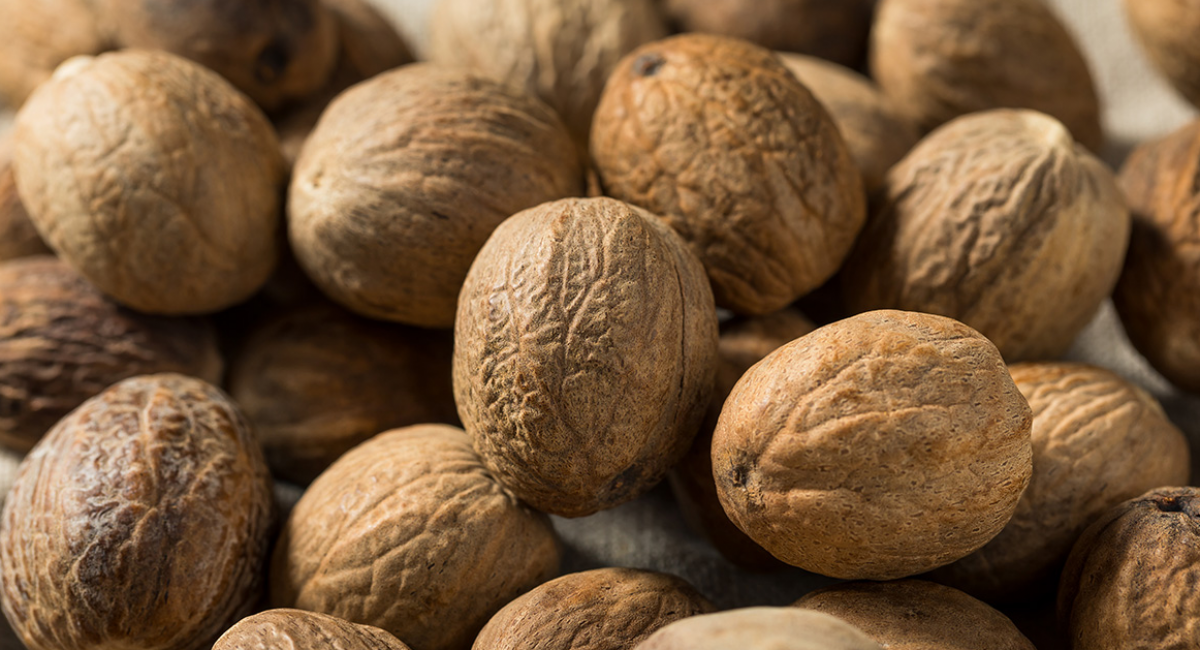
Is Nutmeg Forbidden (Haram) to Consume?
Question: Bismillah. May the Ustadz/ah and family always be under the protection of Allah. I would like to ask: someone told me that it is not allowed to cook using nutmeg seeds because they are said to be haram. Is there any evidence (dalil) regarding this? Jazakumullahu khairan.
Answer: The issue of consuming nutmeg is a matter that has recently gained traction among later jurists (fuqaha mutaakkhirin). This is because nutmeg was not well-known in the Islamic world until after non-Arab nations entered the Arabian Peninsula. Therefore, no evidence is found from the Salaf (early generations) that exclusively provides legal information about nutmeg. This led scholars to exercise ijtihad using methods and principles of fiqh to determine the legal status of this fruit. Al-Haytami Ash-Shafi'i stated, while citing Al-Qarafi Al-Maliki and Ibn Taymiyyah Al-Hanbali regarding the issue of cannabis:
وَإِنَّمَا لَمْ يَتَكَلَّمْ فِيهَا الْأَئِمَّةُ الْأَرْبَعَةُ لِأَنَّهَا لَمْ تَكُنْ فِي زَمَنِهِمْ، وَإِنَّمَا ظَهَرَتْ فِي آخِرِ الْمِائَةِ السَّادِسَةِ وَأَوَّلِ الْمِائَةِ السَّابِعَةِ حِينَ ظَهَرَتْ دَوْلَةُ التَّتَارِ
"The four leading Imams (founders of the schools) did not discuss this issue because cannabis (and all plants containing narcotics) did not exist in their time. It only appeared in the late 600s Hijri and early 700s Hijri when the Tatar state emerged." (Az-Zawajir ‘an Iqtiraf Al-Kabair, 1/355).
Al-Haytami was preceded by Ad-Damiri Ash-Shafi'i in citing the words of Ibn Taymiyyah (1). This matter is discussed by jurists because of its content that can provide psychotropic or anesthetic effects on the consumer's body. In this matter, there are two views among scholars.
1. Absolute Prohibition
This is the view of the Hanbali school, the majority of Shafi'i scholars, and some Hanafis. From the Shafi'i school, Ibn Hajar Al-Haytami Ash-Shafi'i even categorized the consumption of nutmeg as one of the major sins. Al-Haytami stated:
ألْكَبِيرَةُ السَّبْعُونَ بَعْدَ الْمِائَةِ أَكْلُ الْمُسْكِرِ الطَّاهِرِ كَالْحَشِيشَةِ وَالْأَفْيُونِ وَالشَّيْكَرَانِ بِفَتْحِ الشِّينِ الْمُعْجَمَةِ وَهُوَ الْبَنْجُ وَكَالْعَنْبَرِ وَالزَّعْفَرَانِ وَجَوْزَةِ الطِّيبِ
"The 170th major sin: Consuming pure but intoxicating food, such as cannabis, opium, Syaikaran—with a fatha on the letter shin, meaning henbane—whale vomit (ambergris), saffron, and nutmeg." (Az-Zawajir, 1/354)
Ibn Taymiyyah Al-Hanbali stated:
الْحَشِيشَةُ الْمُسْكِرَةُ حَرَامٌ، وَإِنَّمَا تَوَقَّفَ بَعْضُ الْفُقَهَاءِ فِي الْحَدِّ لِأَنَّهُ ظَنَّ أَنَّهَا تُغَطِّي الْعَقْلَ كَالْبَنْجِ، وَالصَّحِيحُ أَنَّهَا تُسْكِرُ... كَجَوْزَةِ الطَّيبِ
"Intoxicating cannabis is haram. Some jurists hesitated regarding the prescribed punishment (hadd) because they assumed its effect only clouded the mind like henbane. The correct view is that it intoxicates... like nutmeg." (Mukhtashar Fatawa Al-Mishriyah, 1/499).
The opinion of Ibn Taymiyyah was also cited by Ibn Muflih Al-Hanbali (2), as well as by Al-Hashakafi Al-Hanafi from the Hanafi school (3). Ibn Abidin Al-Hanafi said while explaining Al-Hashakafi’s statement:
وَمِثْلُ الْحَشِيشَةِ فِي الْحُرْمَةِ جَوْزَةُ الطِّيبِ فَقَدْ أَفْتَى كَثِيرٌ مِنْ عُلَمَاءِ الشَّافِعِيَّةِ بِحُرْمَتِهَا...
"Similar to cannabis in terms of prohibition is nutmeg. Many Shafi'i scholars have issued fatwas on its prohibition... From our school, Al-Aqsharawy issued a fatwa on its prohibition, though he stated its prohibition is lower than that of cannabis." (Ar-Radd Al-Mukhtar, 6/458)
Evidence for this opinion is the hadith of the Prophet ﷺ:
كُلُّ مُسْكِرٍ خَمْرٌ وَكُلُّ مُسْكِرٍ حَرَامٌ
"Every intoxicant is khamar, and every intoxicant is haram." (HR. Muslim: 2003 from Abdullah bin Umar)
مَا أَسْكَرَ كَثِيرُهُ فَقَلِيلُهُ حَرَامٌ
"Whatever intoxicates in large amounts, a small amount of it is also haram." (HR. Abu Dawud: 3681, At-Tirmidhi: 1973, and Ibn Majah: 3393 from Jabir bin Abdillah)
What is meant by "intoxicating" according to this view is anything that can cause the loss of human reason, whether it triggers criminal acts without awareness, hallucinations, excessive sleep beyond normal limits, or simply not realizing what one is saying. According to this view, nutmeg is included as an intoxicant.
2. Permissible in Small Amounts, Forbidden in Large Amounts (If It Causes Loss of Reason)
This is the opinion of the majority of Maliki and Hanafi scholars, and some Shafi'is. Al-Hatthab Al-Maliki stated:
قَالَ ابْنُ فَرْحُونٍ: وَأَمَّا الْعَقَاقِيرُ الْهِنْدِيَّةُ فَإِنْ أُكِلَتْ لِمَا تُؤْكَلُ لَهُ الْحَشِيشَةُ امْتَنَعَ أَكْلُهَا، وَإِنْ أُكِلَتْ لِلْهَضْمِ وَغَيْرِهِ مِنْ الْمَنَافِعِ لَمْ تُحَرَّمْ... قَلِيلُهَا جَائِزٌ وَحُكْمُهَا الطَّهَارَةُ...
"Ibn Farhun said: 'As for various Indian herbal concoctions, if they are eaten for the same purpose as cannabis, then eating them is forbidden. However, if they are eaten for digestion and other health benefits, they are not prohibited... A small amount is permissible and its ruling is that it is pure...'" (Mawahib Al-Jalil, 1/90)
Shihab Ar-Ramli Ash-Shafi'i was asked about the ruling on eating nutmeg. He replied:
نَعَمْ يَجُوزُ إنْ كَانَ قَلِيلًا، وَيَحْرُمُ إنْ كَانَ كَثِيرًا
"Yes, it is permissible if it is a small amount, and haram if it is a large amount." (Fatawa Ar-Ramli, 4/71)
Evidence for this opinion is the distinction between nutmeg and khamr (intoxicating drinks). Consuming nutmeg in large quantities can cause loss of reason, but it does not cause "drunkenness" or trigger someone to act outside their natural character in the same way khamr does. Nutmeg only provides a psychotropic or sedative effect. An-Nafrawi Al-Maliki stated:
وَلِذَا فَرَّقُوا بَيْنَ الْمُسْكِرِ وَالْمُفْسِدِ...
"Therefore, they (Maliki scholars) distinguish between 'muskir' (intoxicant) and 'mufsid' (corruptor/harmful substance)... because 'muskir' removes reason while maintaining the senses but triggering euphoria/adrenaline, whereas 'mufsid' removes reason without euphoria..." (Al-Fawakih Ad-Diwani, 2/288).
Hanafi scholars argue that nutmeg has benefits that outweigh its harms when used for health and medicinal purposes. Ibn Abidin Al-Hanafi said:
... يَحْرُمُ تَنَاوُلُ الْقَدْرِ الْمُضِرِّ مِنْهَا دُونَ الْقَلِيلِ النَّافِعِ، لِأَنَّ حُرْمَتَهَا لَيْسَتْ لِعَيْنِهَا بَلْ لِضَرَرِهَا
"...It is forbidden to consume the harmful amount, but not the small beneficial amount, because its prohibition is not due to its essence but due to the harm it causes." (Ar-Radd Al-Mukhtar, 6/457).
Unlike khamr, which is forbidden due to its essence (li 'ainihi) and is considered impure (najis) by consensus of the four schools, nutmeg is not impure. Therefore, it is permissible to consume as long as it does not reach the level of intoxication or loss of reason.
Conclusion
The view that the majority of Muslims today, especially in Indonesia, tend to follow is the second opinion (4). That is, the permissibility of consuming nutmeg as long as it does not reach a level that removes the function of reason or damages the body. If it is only used as a cooking spice, food seasoning, or for health purposes like herbal drinks and stamina boosters, then it is permissible. It is even recommended as part of maintaining body health. However, if nutmeg is consumed solely to enjoy its narcotic properties and not for medical or culinary purposes, then it is clearly haram without any doubt. Wallahu a’lam bish shawab.
Sumber Referensi:
-
An-Najm Al-Wahhaj 9/223
-
Al-Mubaddi’ 7/417
-
Ad-Durr Al-Mukhtar 1/678
-
This is also what we (the author) lean towards
 ?>)

 ?>)