
 By
By 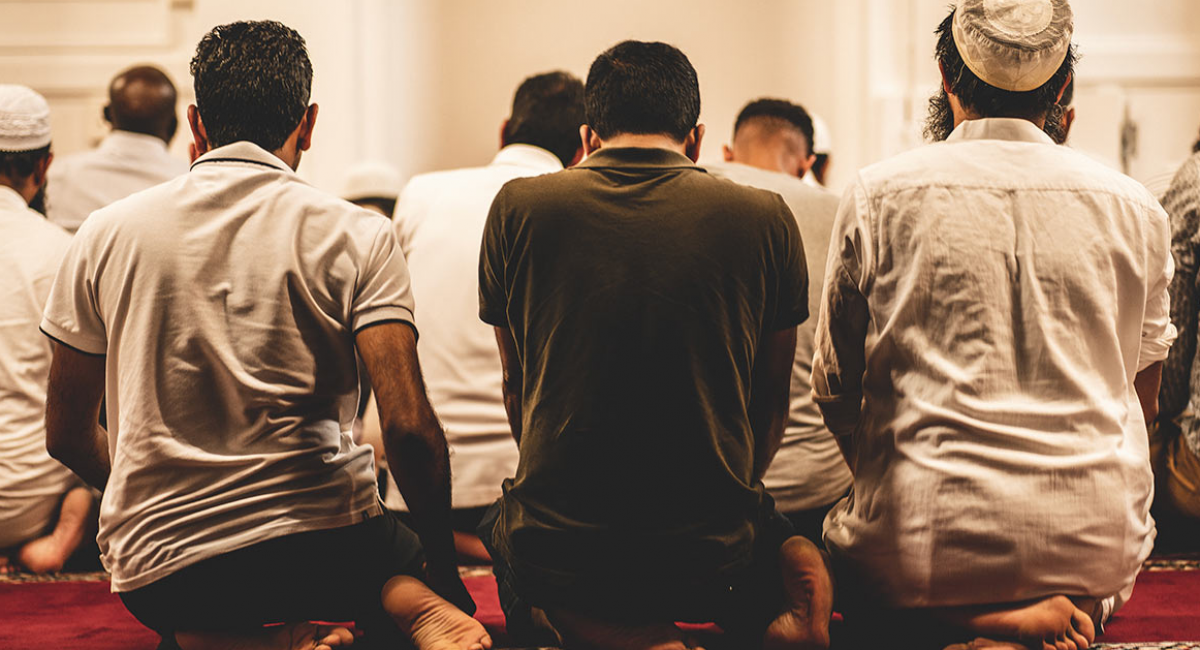
The only prayer whose virtue is specifically mentioned by the Quran is the Fajr prayer.
"Indeed, the recitation of dawn is ever witnessed [by angels]." (QS. Al-Isra: 78)
Imam Ibnul Jawzi Al-Hanbali said, “The exegetes (mufassirun) say that the meaning of Quranul Fajr is the Fajr prayer (1).” Imam Ar-Razi cited the existence of ijma’ (consensus) of the exegetes regarding this matter, namely that it refers to the Fajr prayer. (2)
Imam Ibn al-Khatib Ash-Shafi'i also explained the interpretation of this verse, “In this verse, there is a third possible interpretation, which is that the phrase ‘Indeed, the recitation of dawn is ever witnessed’ serves as a motivation so that the prayer (Fajr prayer) is performed in congregation. Thus, the meaning of ‘witnessed’ here is witnessed by a large congregation.” (Mafatih Al-Ghaib, 21/385)
The matter of congregational Fajr prayer is not a trivial one. This is because it serves as a filter to determine whether a Muslim is a hypocrite or not. The Messenger of Allah said:
“Indeed, the heaviest prayers for the hypocrites are the Isha prayer and the Fajr prayer. If they knew what (virtue) is in them, they would certainly come to them even if they had to crawl.” (HR. Al-Bukhari: 657 and Muslim: 651 from Abu Hurayrah).
Imam Al-Kirmani Al-Hanafi said regarding this hadith, “Because both prayers are during times of sleep and rest. If they (the hypocrites) knew the virtue and goodness contained within them, and then they were unable to come to them except by crawling, they would certainly crawl to attend both prayers so as not to miss performing them in congregation.” (Al-Kawakib Ad-Durari, 5/44)
Imam Abu Al-‘Abbas Al-Qurtubi Al-Maliki added, “Because of the difficulty of having to go out in the dark and so on towards both prayers. No one is able to overcome that difficulty except one who is truly certain of the reward from Allah, has hope in Him, fears His punishment, and has taqwa of Him. That is the true believer.” (Al-Mufhim, 2/276).
The virtue of congregational Fajr prayer is also extraordinary. If a Muslim has upright faith, they will surely feel it is a pity to let it pass just like that. Therefore, it is natural that the Messenger of Allah spurred his Ummah not to waste this prayer in congregation. The Messenger of Allah said:
“Whoever prays Isha in congregation, it is as if he has spent half the night in prayer, and whoever prays Fajr in congregation, it is as if he has prayed the entire night.” (HR. Muslim: 656 from Uthman bin Affan)
This hadith implies that congregational Fajr prayer is more virtuous than any voluntary (sunnah) prayer. How mistaken is the person who routinely performs Duha prayer or is busy with Tahajjud prayer but does not pray Fajr in congregation. Conversely, a person who prays Fajr in congregation can balance out other voluntary prayers even if he does not perform those voluntary prayers. The Commander of the Faithful, Umar bin Al-Khattab, said:
“Attending the Fajr prayer in congregation is more beloved to me than standing (in prayer) for the entire night.”(Narrated by Malik in Al-Muwatta’, narration of Muhammad bin Al-Hasan: 243)
Imam Ibn Abdil Barr Al-Maliki said, “This serves as evidence that obligatory (fardhu) deeds performed complete with their sunnahs are in various aspects better than performing all deeds that are merely recommended and additional (sunnah).” (Al-Istidhkar, 2/47)
Mulla Ali Al-Qari Al-Hanafi said, “Congregational (prayer) at Fajr has greater virtue than congregational prayer in other prayers.” (Mirqat Al-Mafatih, 3/845)
Among the other virtues of Fajr prayer is the light that Allah prepares for those who perform Fajr prayer in congregation. The Messenger of Allah said:
“Give glad tidings to those who walk in the darkness of the night to the mosques with perfect light (for them) on the Day of Resurrection.” (HR. Abu Dawud: 561 and Ibn Majah: 780 from Buraidah)
Imam Ibn Allan Ash-Shafi'i said, “The darkness of the night is general in nature, covering both Isha prayer and Fajr prayer.” (Dalil Al-Falihin, 6/543)
Imam Ibn Battal Al-Maliki explained, “Allah gives to whoever goes towards those mosques (in the darkness of the night) a light in his heart, a light in all his limbs, a light in front of him and behind him, both in this world and in the Hereafter.” (Sharh Sahih Al-Bukhari, 2/113)
Furthermore, congregational Fajr prayer on Friday is the best of prayers according to the statement of Abdullah bin Umar:
“We do not know of any prayer that is more excellent in the sight of Allah than the Fajr prayer in congregation on Friday.” (Narrated by Al-Bayhaqi in Al-Kubra: 1977)
This statement of Ibn Umar is in harmony with the Prophet's saying:
“The best day on which the sun has risen is Friday.” (HR. Muslim: 854 from Abu Hurayrah)
After this explanation, are we still taking congregational Fajr prayer lightly? Are we still lazy to perform it and leave it just like that? How great our loss would be if we lose the light that will guide us on the Day of Resurrection. Allah says:
“On the Day the hypocrite men and hypocrite women will say to those who believed, ‘Wait for us that we may acquire some of your light.’ It will be said, ‘Go back behind you and seek light.’ And a wall will be placed between them with a door, its interior containing mercy, but on the outside of it is torment.” (QS. Al-Hadid: 13)
Sumber Referensi:-
Zad Al-Masir 3/46
-
Mafatih Al-Ghaib 21/384
 ?>)
 ?>)